The Iran War Is Sending Oil Prices Through the Roof — Will Your Illinois Electric Bill Follow?
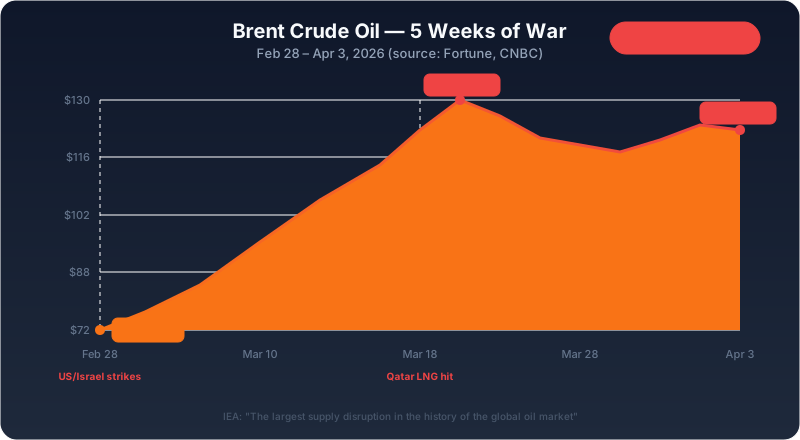
Five weeks ago, the United States and Israel launched strikes on Iran. Since then, the Strait of Hormuz — the narrow waterway that carries 20% of the world's oil — has been effectively shut down. Maritime traffic through the strait has dropped 98%. Oil prices have surged to $112 a barrel. Gas at the pump just crossed $4 for the first time since 2022.
If you're an Illinois homeowner watching all of this unfold and wondering what it means for your electric bill, here's the honest answer: it's complicated, but the short version is that Illinois is better positioned than most states — for now. The problem is that "for now" has an expiration date, and it's coming fast.
How Oil Prices Connect to Your Electric Bill
Most people assume that expensive oil automatically means expensive electricity. That's not exactly how it works.
Illinois power plants don't burn oil. They burn natural gas, split atoms, shovel coal, and catch wind. The generation mix looks like this:
| Source | Share of IL Electricity |
|---|---|
| Nuclear | 53% |
| Natural gas | 17% |
| Coal | 14% |
| Wind | 13% |
| Solar & other | 3% |
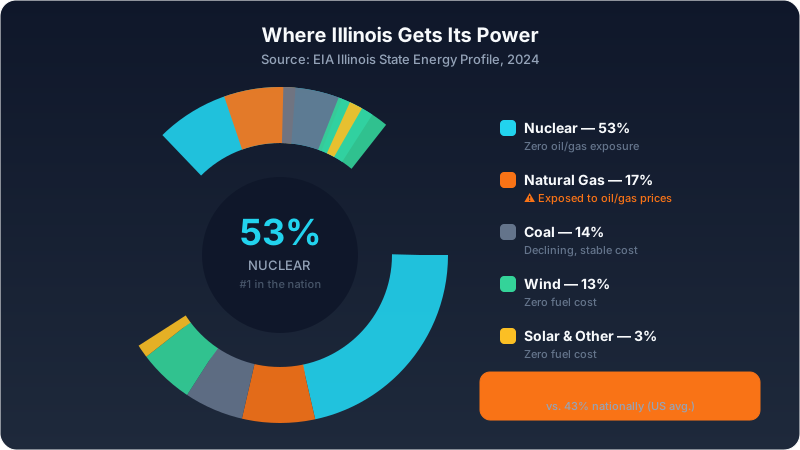
That 53% nuclear number is a big deal. Nuclear plants buy fuel rods that last years — they don't care what oil costs this week. Illinois has six nuclear plants with eleven reactors, more than any other state. That's a massive buffer against exactly this kind of geopolitical shock.
The vulnerability is in that 17% natural gas slice. Natural gas and oil prices are correlated — when one moves, the other tends to follow. And natural gas is the "swing fuel" that sets the price of electricity on the margin. Even though it's only 17% of generation, it often determines what you pay.
What's Actually Happening to Natural Gas
Here's where it gets interesting. US domestic natural gas prices have stayed surprisingly stable — Henry Hub is around $3.05/MMBtu in early April, compared to $2.94 in March. That's because the US produces most of its own natural gas domestically. We're not importing it through the Strait of Hormuz.
But global LNG is a different story. European gas prices have nearly doubled. Asian spot prices are up over 140% since Iran's IRGC attacked Qatar's Ras Laffan facility on March 18, damaging two of fourteen liquefaction trains at the world's largest LNG export terminal. Qatar produces 20% of global LNG, and some of that capacity will take years to rebuild regardless of when the war ends.
Why does global LNG matter for Illinois? Because US LNG export terminals now consume more natural gas than all 74 million American households combined. As global prices stay elevated, exporters bid up domestic supply. That pressure hasn't fully hit yet — but Brookings warns that "the Iran conflict's energy shocks are not yet fully realized."
Illinois Rates Were Already Climbing Before the War
Here's the part that doesn't get enough attention: the Iran conflict is landing on top of rate increases that were already baked in.
ComEd customers are currently paying about 10.8 cents/kWh for supply — that's up 47% from January 2025. The ICC approved a $243 million delivery rate hike effective January 2026. And a new capacity charge kicks in June 2026 based on PJM's record-breaking auction price of $329.17/MW-day. CUB is warning that rates will stay elevated "for at least the next few years."
Ameren customers are paying about 15.5 cents/kWh all-in — up 94% since 2021. During summer months, all-in rates hit roughly 20 cents/kWh. MISO's capacity auction saw summer prices jump from $30 to $666.50/MW-day in a single year.
The biggest driver of these increases isn't the war — it's data centers. They now consume 5.43% of all Illinois electricity, and PJM's Independent Market Monitor found that 70% of last year's capacity cost spike — $9.3 billion — came from data center demand.
So when people ask "will the Iran war raise my electric bill?" — the honest answer is that your bill was already going up. The war just adds another layer of risk on top.
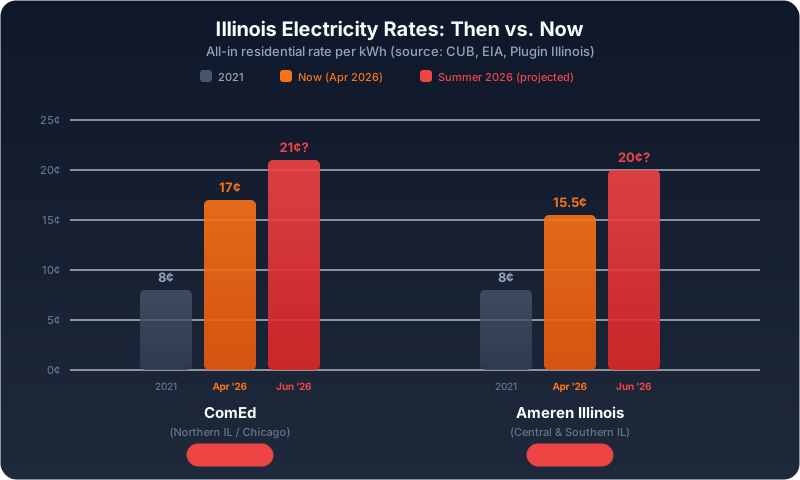
The June 2026 Rate Reset Is the Real Danger
Illinois utilities set supply rates through periodic procurement auctions. The next major reset happens in June 2026. If the Strait of Hormuz is still blockaded when those auctions happen — and as of today, Trump has given Iran until April 6 to reopen it or face strikes on Iranian bridges and power plants — then elevated natural gas futures will get baked into the rates you pay for the next six to twelve months.
That's the mechanism. It's not that your power plant burns oil. It's that the auctions where your utility buys wholesale electricity will reflect a world where energy is more expensive everywhere, and the bidders know it.
Analyst projections on how bad it could get:
- Goldman Sachs (3-week conflict): gas peaks at $4.36/gallon in May
- Macquarie Group (disruption through June): oil hits $200/barrel, gas hits $7/gallon
- Futures markets: September 2026 crude at ~$75-80/barrel — traders expect resolution by then
- The EU warns that "oil and gas prices won't immediately return to normal even if the Iran war ends"
The best-case scenario is a short conflict and a return to normalcy before June auctions. The worst case is a prolonged disruption that locks in elevated rates for a year or more.
What Can You Actually Do About It?
You can't control what happens in the Strait of Hormuz. You can't control PJM capacity auctions or MISO wholesale prices. You can't stop data centers from consuming more power every year.
But you can control whether you're exposed to all of it.
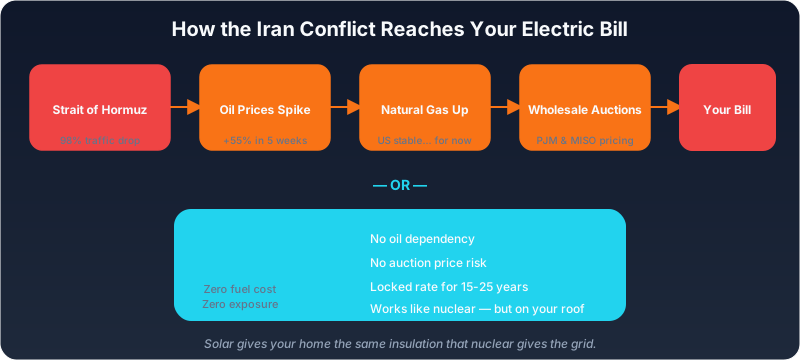
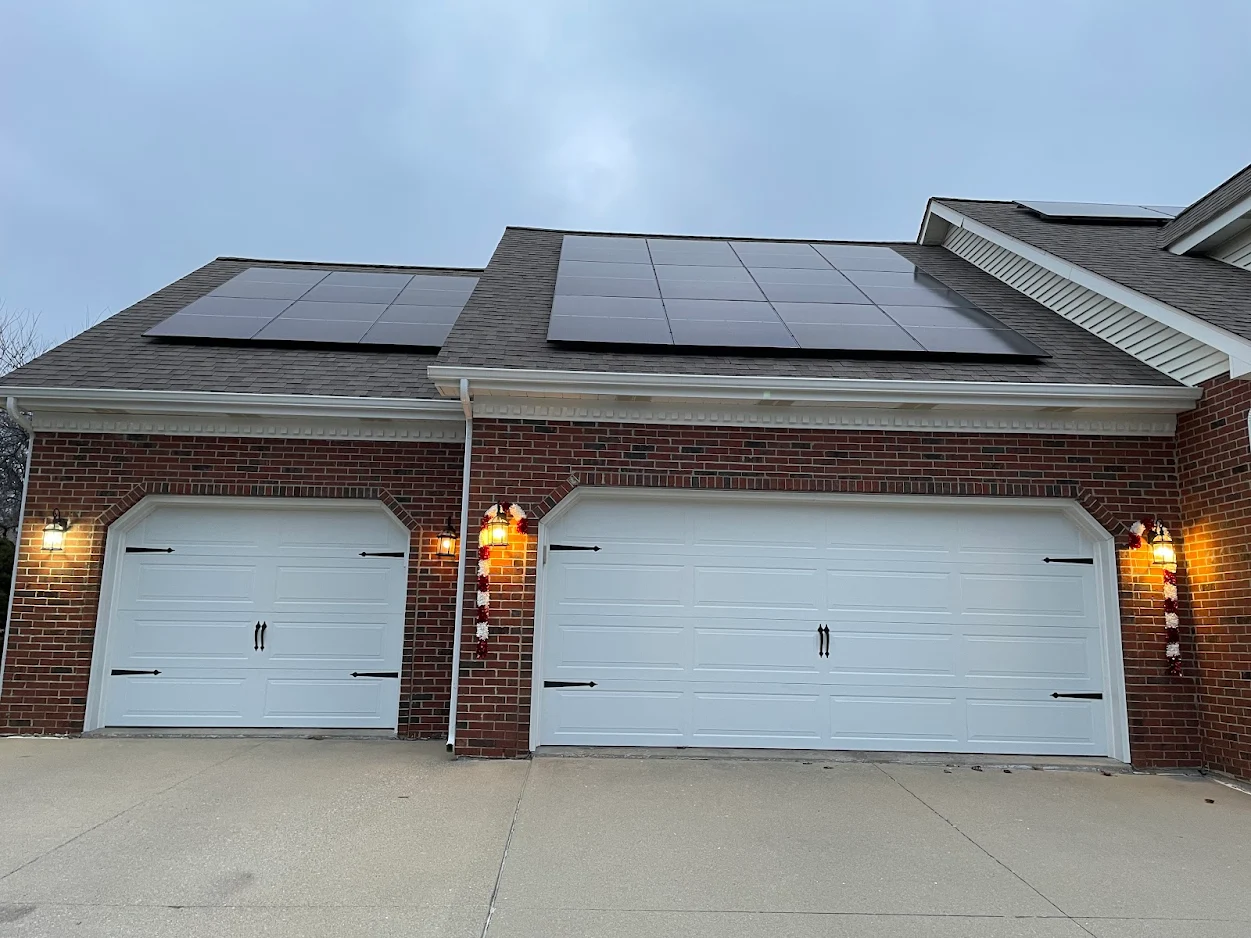
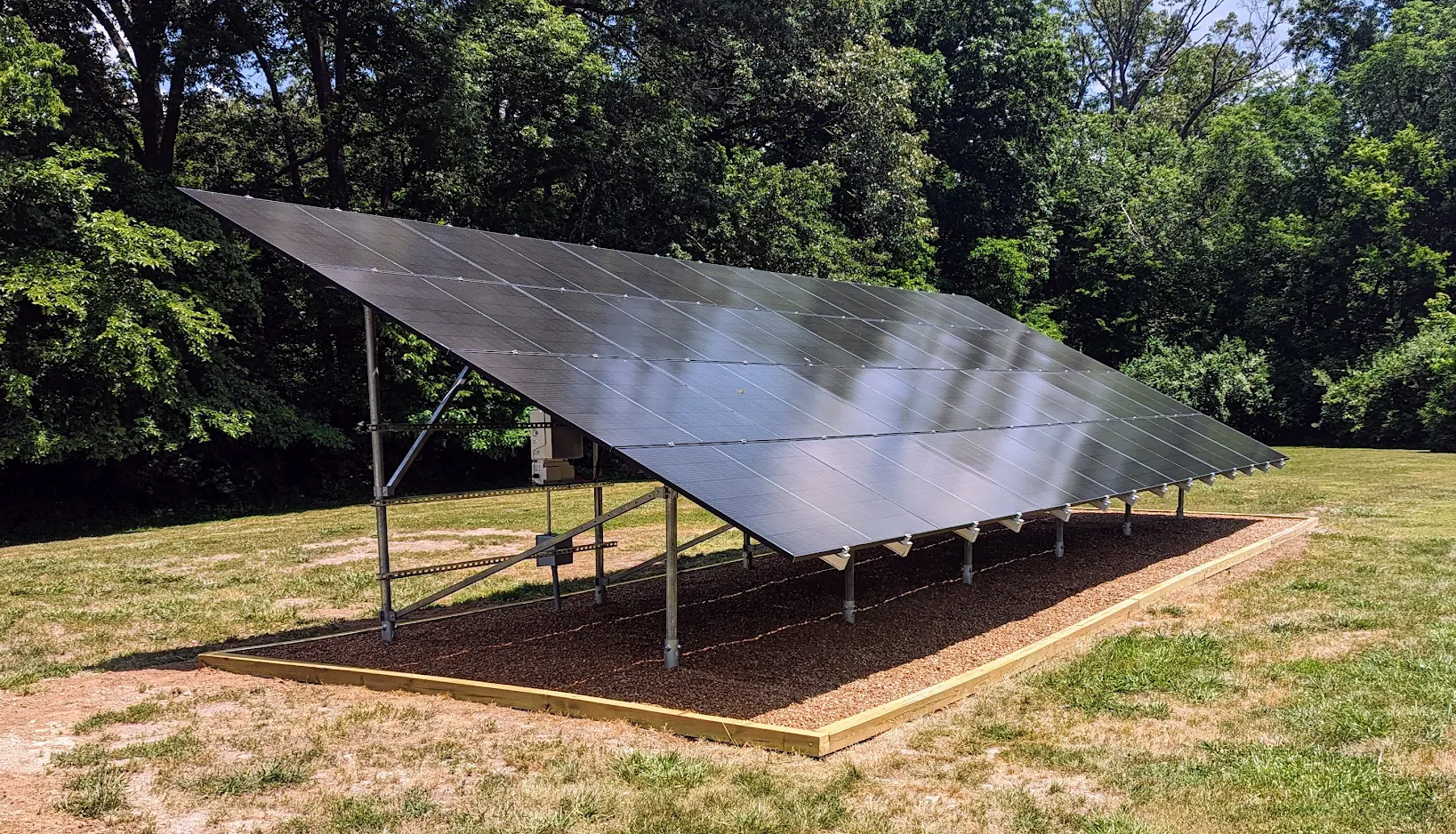
Solar works the same way nuclear does — once the panels are on your roof, your fuel cost is zero. No natural gas. No oil. No auction. No exposure to geopolitical chaos. The sun doesn't care what's happening in the Middle East.
Here's what the math looks like for a typical Illinois home:
- Lease ($0 down): Fixed monthly rate for 15 years. Your payment stays the same while utility rates keep climbing. Battery backup included.
- Cash purchase: Own the system outright. Federal tax credit + Illinois SREC payments bring the net cost down significantly. Typical payback in 8-10 years, then free electricity for the next 15+.
- Solar for All: If you're income-qualified, the state of Illinois will install solar on your home at zero cost to you. No credit check required.
Every year you wait, utility rates move higher. The war accelerates that. But the option to lock in your energy cost at today's prices — or eliminate your bill entirely — is available right now.
The Bottom Line
Illinois is better insulated from this crisis than most of the country, thanks to our nuclear-heavy grid. But "better insulated" doesn't mean "immune." With the June rate reset approaching, data center demand compounding, and a war that shows no signs of ending quickly, the trajectory for electricity prices is clear: up.
The IEA called this "the largest supply disruption in the history of the global oil market." Whether it resolves in weeks or months, the underlying forces pushing your electric bill higher — data centers, infrastructure costs, and now global energy instability — aren't going away.
If you've been thinking about solar, the case has never been stronger. The incentives are still available. The technology works. And the math gets better every time your utility raises rates.
Check what solar could save you →
Ryan Cook is the founder of Ltd Solar Consulting, helping Illinois homeowners navigate solar options across Ameren and ComEd territory. Have questions about your specific situation? Get a free quote or call (618) 217-2001.