Selling a House With Leased Solar Panels in Illinois (2026 Guide)
I get this question at least once a week. Someone's interested in solar, they like the numbers, and then they stop and ask: "But what if I sell my house?"
It's a fair question. And the short answer is: it's not the problem most people think it is.
Greg and Sandy's Story
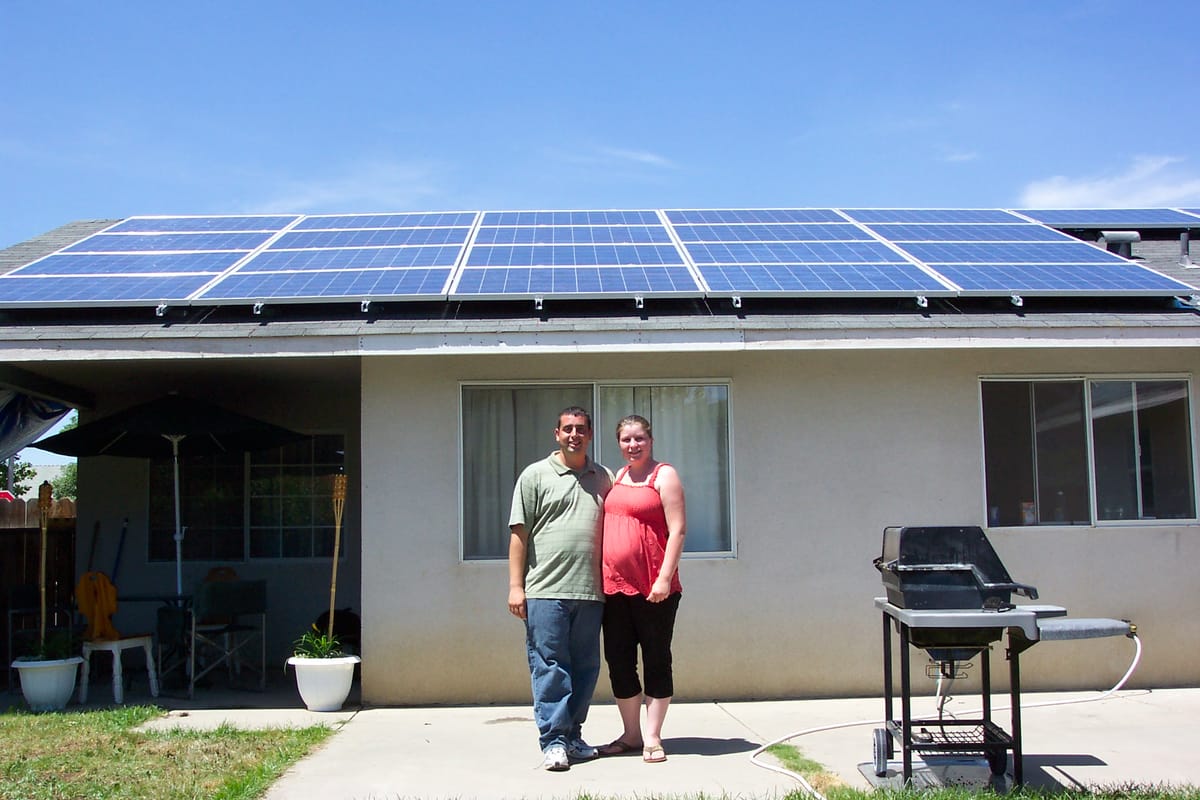
A couple in Shiloh — Greg and Sandy — signed a solar lease through us about three years ago. Last year, they decided to sell.
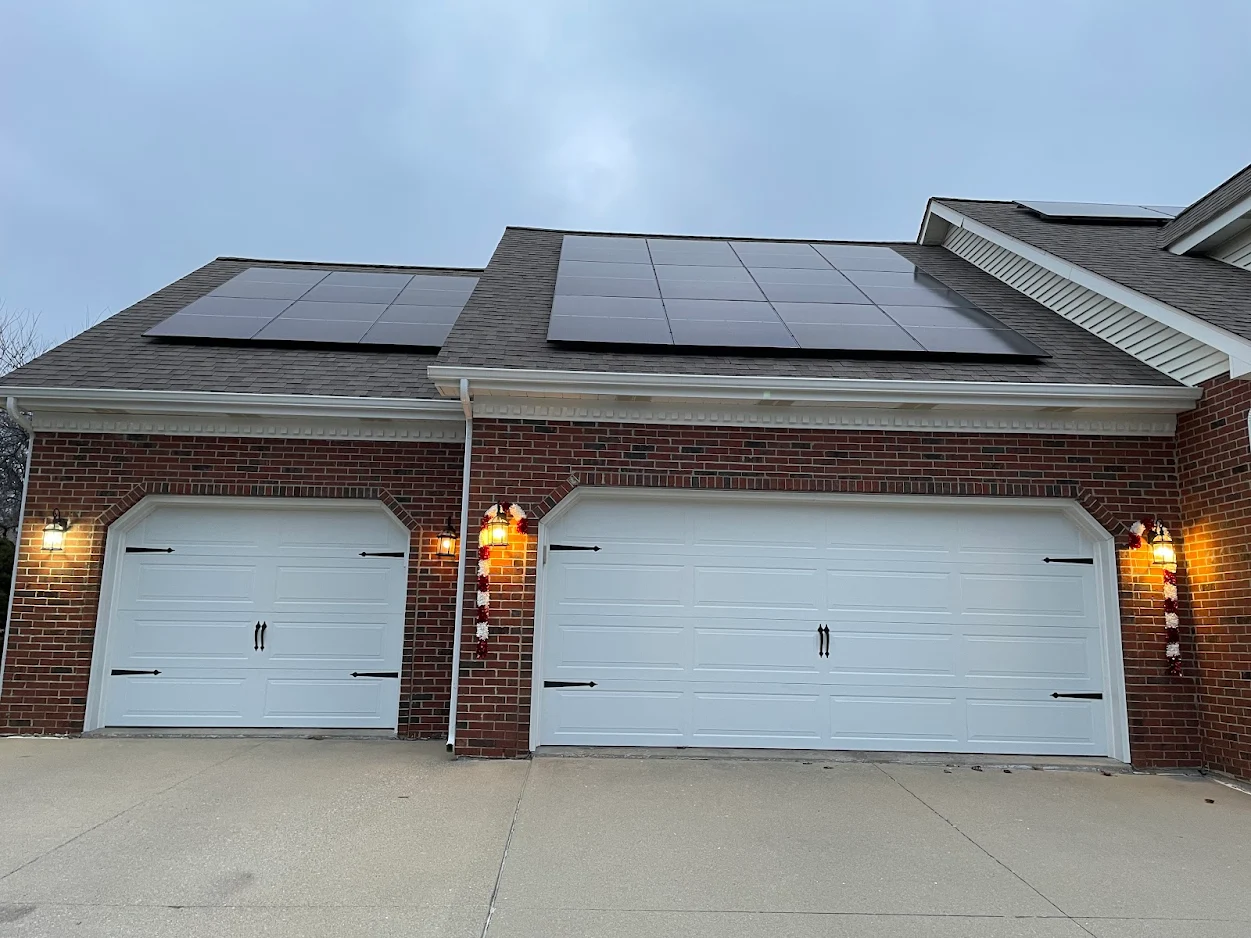
They were a little nervous about it. Would the lease scare buyers off? Would it slow down the sale? What they found was the opposite. Their buyer was actually excited about it. The home already had solar and battery backup. The buyer was inheriting a predictable utility payment instead of whatever Ameren decides to charge next quarter. No installation to deal with, no waiting 8-12 weeks for permits and panels, no construction crew on their roof. Just a working system, already paid for, already producing.
Greg and Sandy told me the solar actually made the sale move faster than they expected. The buyer went through our install partner's simple four-step transfer process, and it closed without a hitch.
The Transfer Process (It's 4 Steps)
This is the part that scares people because they assume it's complicated. It's not.
Step 1: Prepare your information. Gather contact details for the buyer and escrow company. Initiate the transfer through the portal.
Step 2: Verify and submit. All parties — buyer, seller, escrow — verify their information and submit the closing date.
Step 3: Sign and credit check. Everyone signs the transfer agreement through DocuSign. The buyer completes a soft credit check. Soft — it won't hit their score.
Step 4: Close it out. Once escrow closes, the transfer is done. The seller gets a final invoice for energy produced up to the transfer date. That's it.
The whole thing runs parallel to the normal home sale timeline. It doesn't add weeks. It doesn't require separate attorneys. It's paperwork, and not much of it.
What Buyers Actually Care About
In my experience, buyers don't push back on solar. They ask questions — which is smart. They want to know the monthly payment, who handles maintenance and warranty, what condition the roof is in, and how to download the monitoring app. Normal stuff.
We walk them through all of it. By the time they understand what they're getting — a predictable energy cost, battery backup, a system that's already producing — most of them see it as a perk, not a problem.
The Numbers Back This Up
A 2025 study from SolarReviews using Zillow data found that homes with solar sell for 6.9% more than comparable non-solar homes. That's up from the 4.1% premium Zillow found in 2019. On a $250,000 home in central Illinois, that's roughly $17,000 in added value.
Separate research shows solar homes sell 13-20% faster — about 10 to 20 fewer days on the market. And industry data shows that 77% of solar leases transfer successfully to new homeowners. Only about 20% of buyers were put off by the process.
Those aren't cherry-picked stats. That's the trend across thousands of home sales.
What About Buying Out the Lease?
If you'd rather not transfer — maybe the buyer doesn't qualify or doesn't want the lease — you can buy out the remaining balance before closing. The lease agreement spells out the buyout number. Some sellers fold it into the sale price. Others just pay it and move on.
Either way, you're not stuck. You have options.
The Real Risk Is Doing Nothing
Here's what I'd actually worry about if I were selling a home in Illinois: selling a house with a $200/month electric bill that's going up 6% a year. That's a liability a buyer has to absorb with no ceiling.
A solar lease is a predictable cost. A utility bill is not. When rates have nearly doubled in five years, the home with predictable energy costs is the easier sell.
If you're thinking about solar but holding off because you might move in a few years — run the numbers on our savings calculator or call me at (618) 217-2001. I've walked dozens of customers through this exact decision, and the answer is usually the same: the sooner you start, the more months of savings you get before you hand the keys to someone who'll thank you for it.
Sources: