Buying an Illinois House With Solar? Odds Are the Seller Doesn't Own the Panels
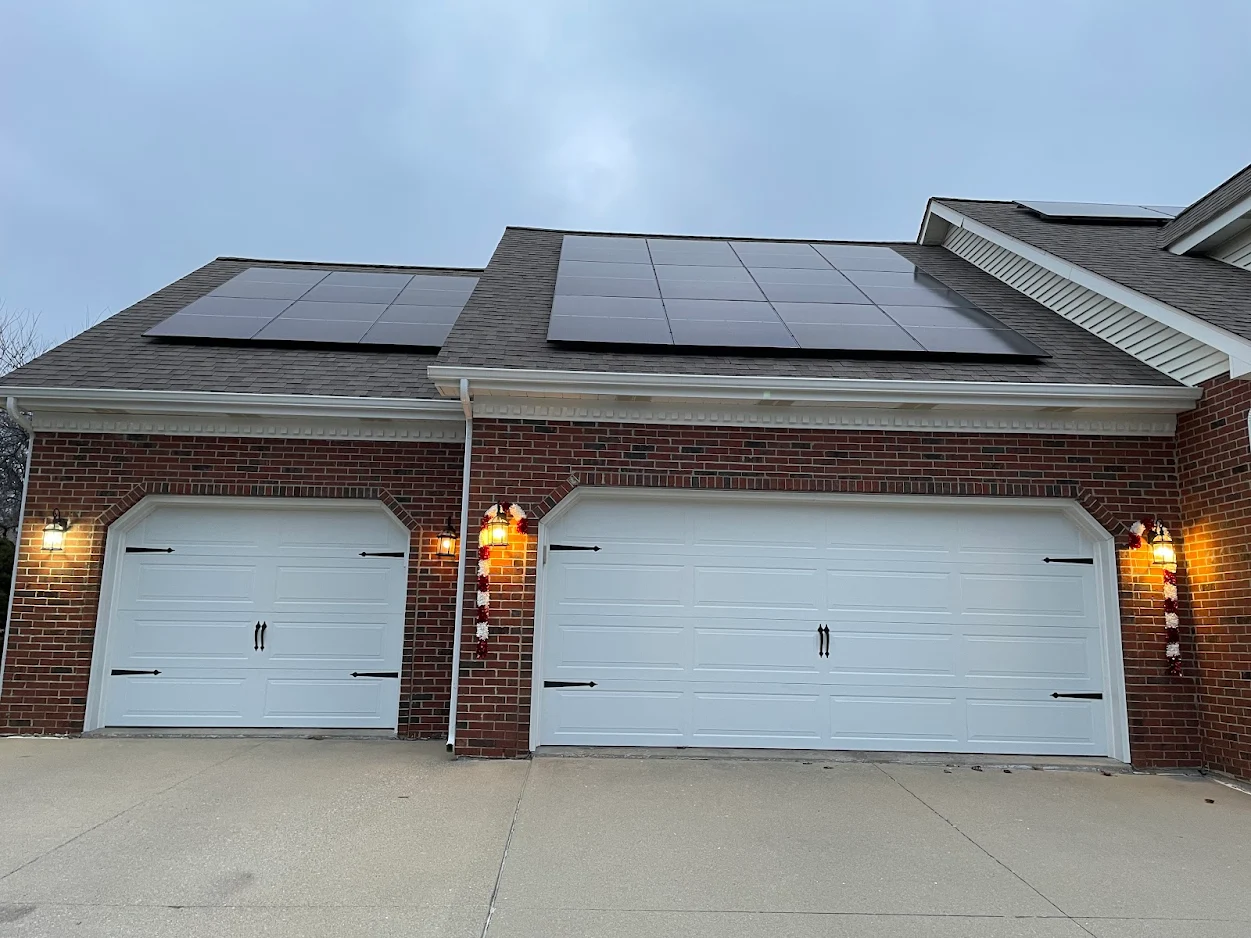
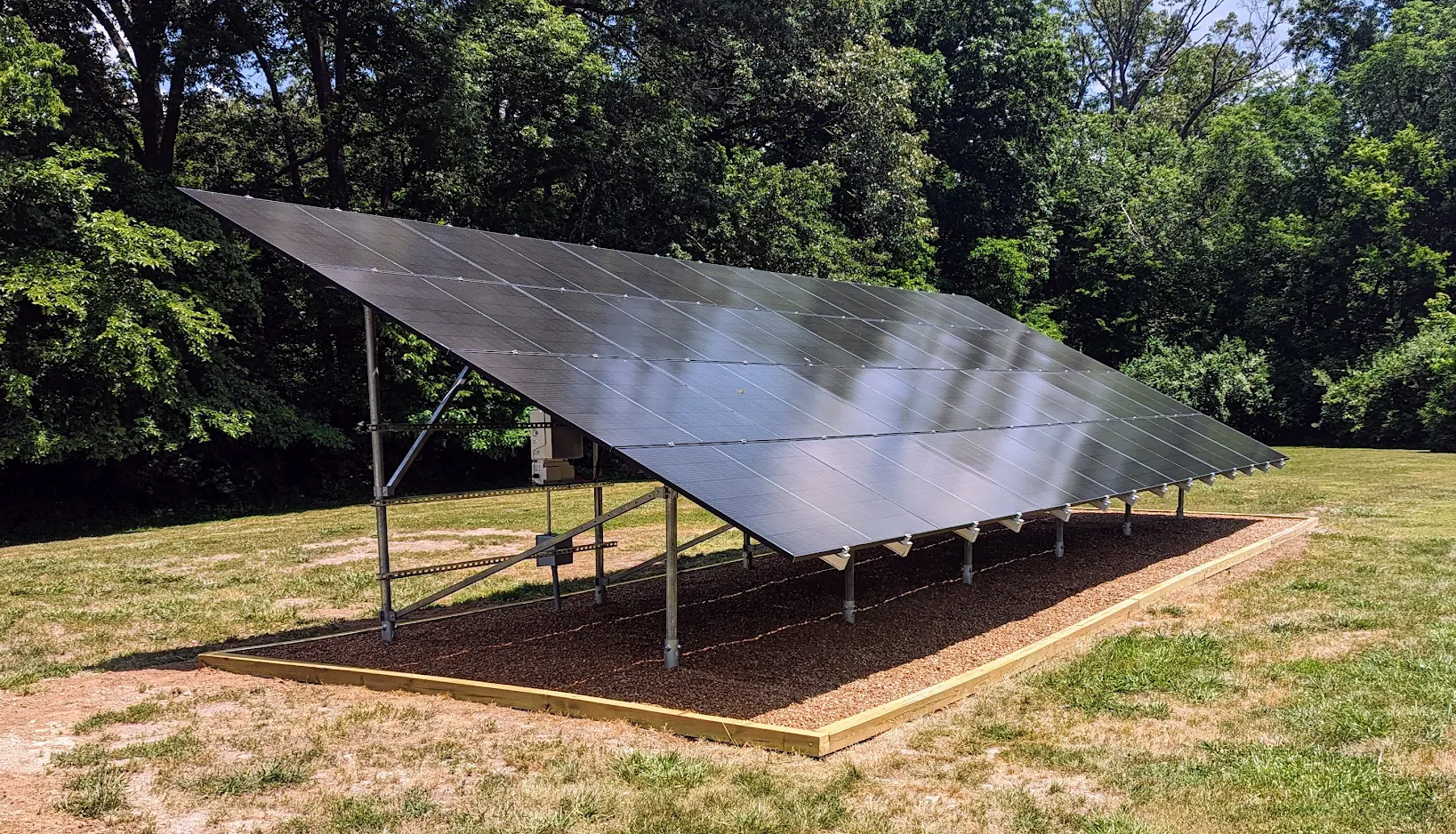
Late summer is closing season in Illinois, and more of those closings than ever have solar panels sitting on the roof. Illinois Shines, the state's solar incentive program, approved more than 22,000 small rooftop projects (25 kW and under) in the 2025-26 program year alone.
Here's the number buyers don't know: in that same state report, 72% of the small-system applications reviewed were leases or power purchase agreements, not purchases — nearly 3 out of 4. If the house you're about to write an offer on has panels, the odds are the seller doesn't own them — a company does.
| Key facts for buyers (Illinois, 2026) | Detail | Source |
|---|---|---|
| Small rooftop projects approved, PY 2025-26 | 22,126 (27,568 applications reviewed) | Illinois Shines end-of-year report |
| Ownership mix of those applications | 28% purchase, 32% lease, 40% PPA | Illinois Shines end-of-year report |
| Legacy net metering (registered before Jan 1, 2025) | Full retail credits for the lifetime of the system; follows the system to a new owner | 220 ILCS 5/16-107.5(j), (o) |
| Systems registered on/after Jan 1, 2025 | Supply-only credits | 220 ILCS 5/16-107.5(j), (n) |
| Unused kWh credits on legacy systems | Expire annually in April or October, per the election form | ComEd net metering FAQ; Ameren Illinois Rider NM2 |
| Taking the utility's generation rebate | Ends delivery-service credits (legacy status lost) | 220 ILCS 5/16-107.6(c) |
| UCC-1 filing | Notice of the company's interest in the equipment, not the home; title companies still require it resolved | IPA home-sale guide (Aug 2026) |
That's not a reason to walk away. Some of the best deals I've seen in Belleville and O'Fallon came with solar already on the roof. But what you inherit depends entirely on who owns the system, and you want that answer before the inspection period runs out, not at the closing table.
First question, always: who owns the panels?
There are three answers, and they lead three different places.
The seller owns them outright. Cleanest case. The panels are a fixture and convey with the house like the furnace does. Your job is paperwork: the equipment warranties (ask for the transfer forms — most manufacturer warranties transfer, but some require registration), 12 months of production history, and the interconnection agreement with the utility. And no, the panels don't raise your bill from the county — Illinois has a special property tax assessment for solar that keeps the system from inflating your taxes.
The seller financed them. The panels stay, but a lender has a claim on them, and it shows up in your title search. In most sales the loan gets paid off from the seller's proceeds and the lien is released at closing. Where it goes sideways is when the payoff amount surprises everyone in week three. Ask for the payoff statement early.
The seller leases them, or has a power purchase agreement. This is the most common case in Illinois right now, and it means you're not just buying a house — you're applying to take over a contract. More on that below, because it deserves its own section.
The lien your title company will find
When a solar company leases or finances a system, it files something called a UCC-1 — usually recorded as a "fixture filing" against the property. It's a public notice that says the company has a financial interest in the equipment on that roof.
The good news: the state's August 2026 home-sale guide for real estate professionals says a UCC-1 shows the project owner has a financial interest in the solar equipment, not the home — it's "not automatically a lien on the real property in the traditional sense." Think of a bank holding the title to a car. It doesn't attach to you personally.
The practical news: the same guide says most title companies require the filing resolved before they'll issue a clean policy, so treat it as a closing requirement. On a financed system, that means release at payoff. On a leased system, the filing usually stays and the lease transfers to you instead. Neither one is scary if it's on the table in week one. Both are deal-slowers if they surface the week of closing.
Taking over a lease: yes, they'll pull your credit
A solar lease transfer is usually a credit application. The state's home-sale guide says the project owner "will likely run a credit or income check" to qualify the buyer, and until you're approved, the transfer isn't done.
Get three numbers from the seller before you commit: the current monthly payment, the annual escalator rate, and the years remaining on the term. A lease with 12 years left is a 12-year commitment with your name on it. Illinois Shines requires a disclosure form for leased systems that spells out the "If you move" terms, early-termination and buyout restrictions, and the annual escalation rate in dedicated sections — ask the seller for that document, and if they can't find it, have your attorney request it from the company.
One more thing worth knowing: if the company denies your transfer application, you have federal rights to a real explanation. I wrote up what a solar credit denial legally owes you — the short version is that "you didn't meet our criteria" isn't a legally sufficient answer.
And if you're weighing whether an inherited lease is even a good deal compared to owning, my lease versus buying breakdown walks through the honest math on both.
The part almost nobody checks — and it's the buyer's biggest win
Illinois changed its net metering rules on January 1, 2025. Systems that registered for net metering before that date keep full retail rate net metering — credits that offset supply, delivery, and taxes and fees — for the lifetime of the system. Systems that registered later get supply-only credits, which are worth meaningfully less month after month.
Here's what that means for a buyer: a 2022 array on the roof of the house you're buying carries a grandfathered billing arrangement that no new installation can get anymore. And state law (220 ILCS 5/16-107.5) says that status continues "regardless of whether... the retail customer benefiting from the system changes," and that eligibility transfers to the new owner when the facility changes hands. You inherit it.
One trap can forfeit it, so know it. Taking the utility's generation rebate ends the delivery-service credits — ComEd's own FAQ says legacy customers "will lose legacy status if they elect to take the DG Rebate for generation" (the storage rebate doesn't affect it). Don't accept one without understanding the swap. Also ask which annual reset month the original net metering election selected, April or October, because unused banked kWh credits on these older systems expire once a year on that schedule — a detail even most sellers can't tell you.
Once you close, get the account into your name. ComEd says net metering transfers automatically to the new occupant, but you need to send its ownership-change form to Interconnect@ComEd.com within 60 days of starting service so the interconnection agreement is updated. Ameren Illinois handles net metering questions at renewablesillinois@ameren.com.
The five-document checklist
Before your attorney review period ends, get these from the seller:
- The solar contract itself (purchase agreement, loan, lease, or PPA) plus the Illinois disclosure form if it's leased
- Twelve months of production history, from the monitoring app or the utility
- The interconnection agreement and the net metering election
- Warranty documents and transfer forms
- The payoff or buyout statement, if there's a loan or lease
A seller who owns a well-documented system will have all five in a folder. A seller who can't produce any of them is telling you something about how the system was sold to them — and Illinois has seen plenty of that.
Sources
- Illinois Shines — Navigating a Home Sale with an Illinois Shines Project Installed (Guide for Real Estate Professionals) (v8.19.2026, published August 2026)
- Illinois Shines — Program Year 2025-26 End of Year Report (July 31, 2026)
- 220 ILCS 5/16-107.5 — Net metering (subsections (j), (n), (o))
- 220 ILCS 5/16-107.6 — Distributed generation rebate (subsection (c))
- ComEd — Net Metering Frequently Asked Questions (2026 edition)
- Ameren Illinois — Net Metering
- Illinois Shines — sample lease Disclosure Form (December 2024)
- 12 CFR 1002.9 — Regulation B, adverse action notices
If the house you're looking at is in Ameren or ComEd territory and you want a second set of eyes on the solar paperwork — or you want to estimate what the system should actually produce against the bills the seller showed you — run the address through our savings calculator or just call me at (618) 217-2001. I look at these contracts every week, and I'll tell you straight whether the panels on that roof are an asset or a headache. You can also reach me through the contact page. Selling instead of buying? That side has its own playbook: selling a house with solar panels in Illinois.