Yes, There's a Solar Surcharge on Your Illinois Electric Bill — Here's Who Gets the Money
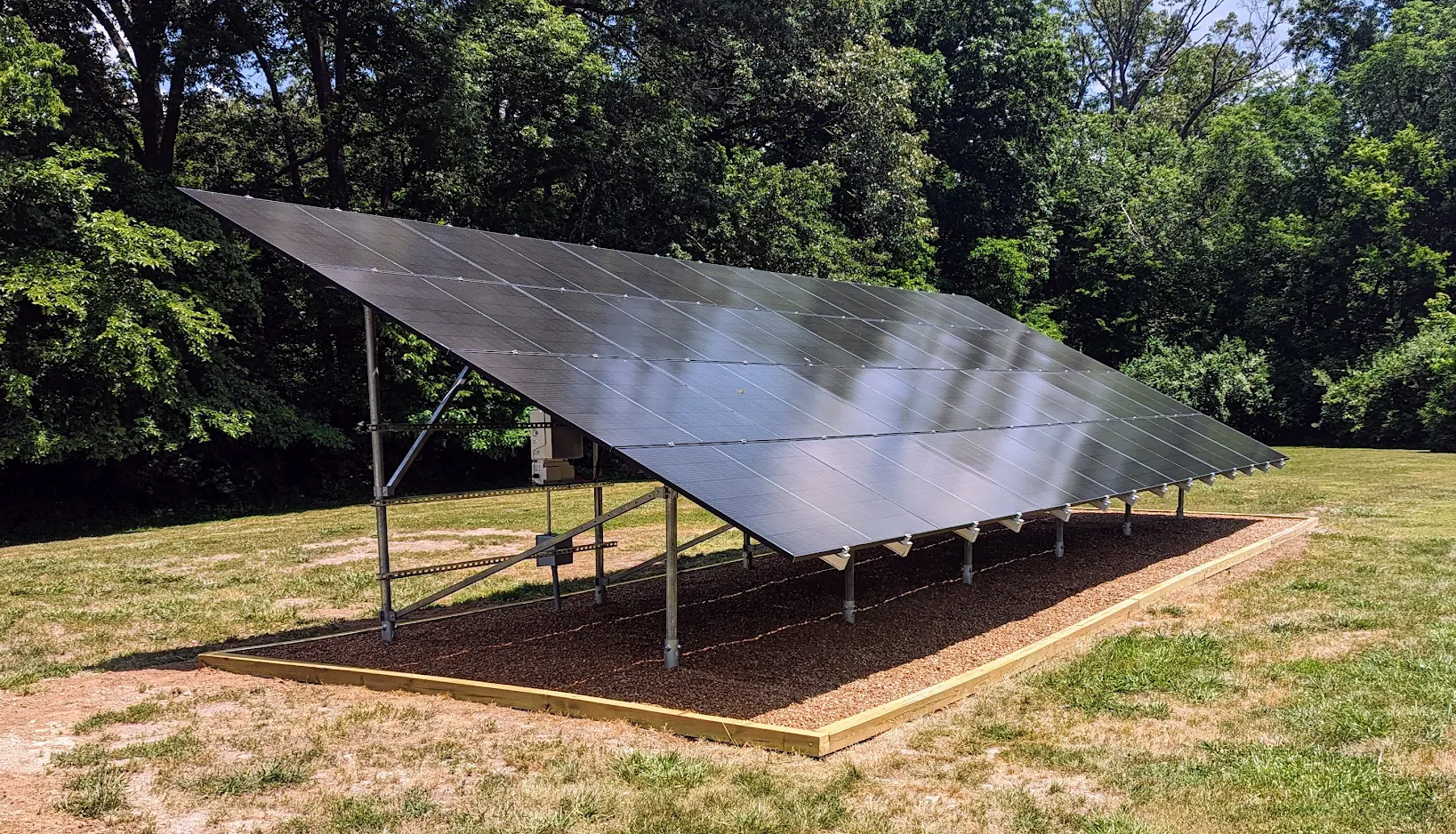
Yes, there's a renewable charge on your Illinois electric bill. ComEd lists it as the Renewable Portfolio Standard charge at 0.516 cents per kWh (through August 2026 bills), and Ameren Illinois calls it the Renewable Energy Adjustment. A Wirepoints guest commentary by Ted Dabrowski and John Klingner (published August 25, reprinted in the Champaign News-Gazette August 30) argues that solar farms in this state "aren't viable without your tax subsidies." Their example is Effingham, where a developer wants to put a $24 million solar farm on farmland just outside city limits, and they lay out how more than half of that project's cost gets covered by state and federal money. What they skip: the same fund pays homeowners, $70.37 to $80.77 per renewable energy credit under Illinois Shines this program year.
Here's the thing. On the basic facts, they're not wrong. You do pay a renewable energy charge on your electric bill. That money does flow to solar projects. I sell solar for a living in Central and Southern Illinois, and I'm telling you the surcharge is real.
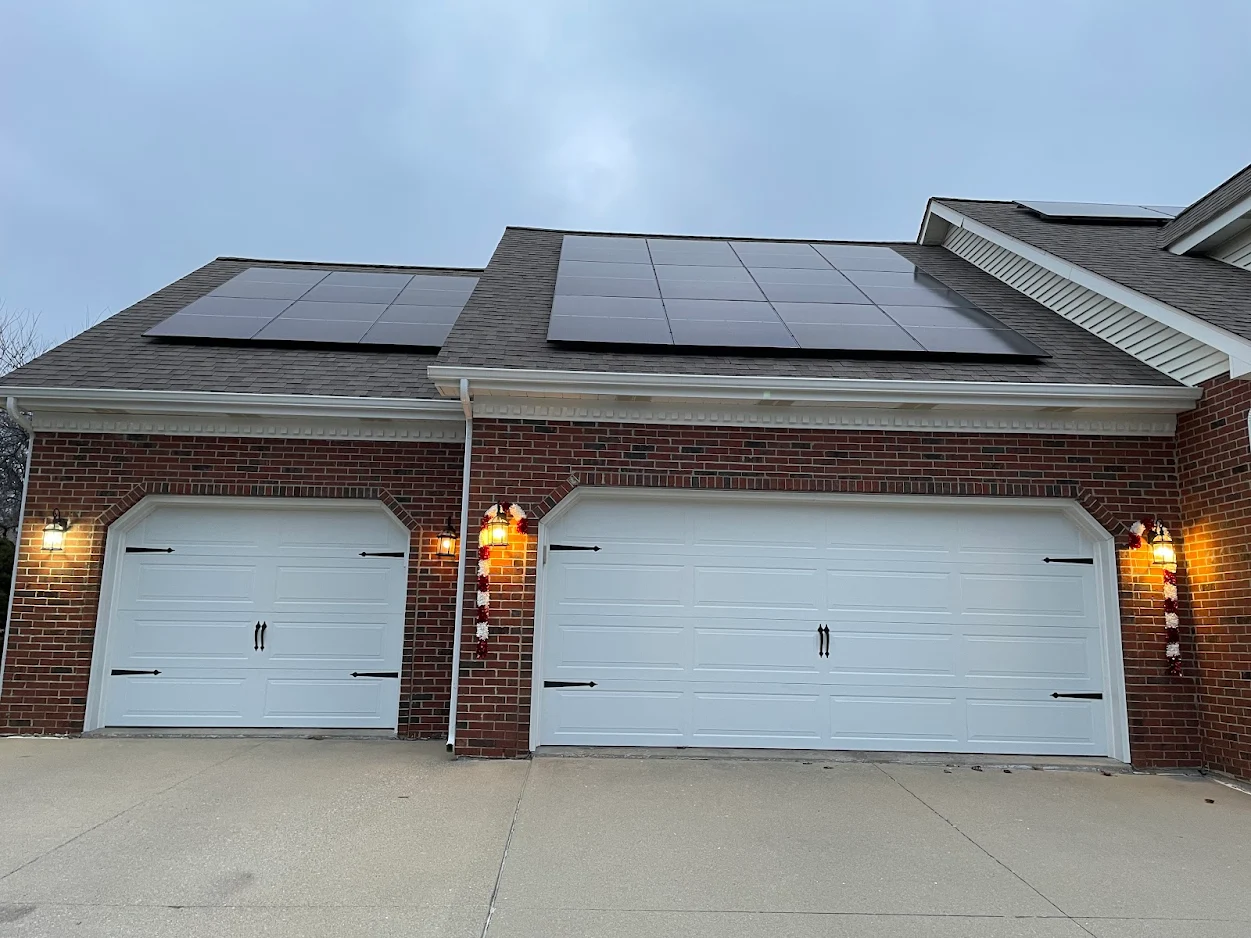
What the commentary leaves out is who's allowed to collect from that fund. Because it isn't just developers buying up farmland. It's also the family in Effingham with panels on their roof.
The line item nobody reads
The charge traces back to Illinois' renewable portfolio standard, first set in 2007. The Future Energy Jobs Act (Public Act 99-0906, in effect June 2017) rebuilt it and brought in the Adjustable Block Program most of us call Illinois Shines, and the 2021 Climate and Equitable Jobs Act expanded it again. Ameren Illinois and ComEd collect the money on your bill and, under the Illinois Power Agency's plans, spend it buying renewable energy credits — RECs — from wind and solar producers. One REC represents 1,000 kWh of renewable generation.
On your bill it hides in plain sight. ComEd calls it the "Renewable Portfolio Standard" charge, 0.516 cents per kWh through August 2026 bills by ComEd's own FAQ. Ameren Illinois calls it the "Renewable Energy Adjustment," and its bill guide describes it as recovering the cost of energy purchased from renewable resources. The commentary authors estimate all state renewable subsidies together will total about $1.1 billion this year. Spread across millions of customers, your personal share is a small slice of your monthly bill — but it's mandatory, and you pay it whether you ever touch a solar panel or not.
| Item | Figure | Effective / source |
|---|---|---|
| ComEd Renewable Portfolio Standard charge | 0.516¢ per kWh | Through August 2026 bills, per ComEd's Hourly Pricing FAQ |
| Ameren Illinois Renewable Energy Adjustment | Rider on every residential bill; "recovers costs associated with the purchase of energy from renewable resources" | Ameren Illinois "Understanding Your Bill" guide |
| State renewable subsidies (all programs) | ≈ $1.1 billion in 2026 | Wirepoints commentary, August 25, 2026 (authors' estimate) |
| Illinois Shines REC value, home systems 0–10 kW | $70.37 (Ameren IL) / $80.77 (ComEd) per REC, 15-year contract | IPA 2026–27 Program Guidebook (April 17, 2026) |
| Customer-owned adder | +$20 per REC, ≤25 kW, cash or finance, no federal credit claimed | Illinois Shines 2026–27 Small DG changes |
| Federal residential credit | Ended for systems placed in service after Dec 31, 2025 | IRS |
| ComEd Price to Compare | 10.399¢/kWh, June 1–Sept 30, 2026; resets Oct 1 | plugin.illinois.gov |
| Ameren Illinois Price to Compare | 11.326¢/kWh (0–800 kWh), June 1–Sept 30, 2026; resets Oct 1 | plugin.illinois.gov |
That's the part that should actually change how you think about going solar. You're already a paying member of this system. The only question is whether you're ever going to be on the receiving end.
Where the money actually goes
The fund pays anyone producing renewable power under the state's programs — and Illinois Shines, the state's main program, was built with a residential lane on purpose.
For the 2026-2027 program year, a home solar system under 10 kW earns $70.37 per REC in Ameren Illinois territory and $80.77 per REC in ComEd territory, under a 15-year contract. A typical 8 kW system in this part of the state produces an estimated 10,000 kWh a year — call it roughly 10 RECs annually. Run that out and you're looking at estimated payments in the thousands of dollars over the contract, drawn from the same fund your surcharge feeds. Homeowners who buy their system outright without claiming a federal credit can stack another $20 per REC on top.
You can run your own roof's numbers with our REC calculator — it uses the actual 2026-2027 program rates.
And if you lease instead of buy? The leasing company collects the RECs and the remaining incentives, and prices your monthly payment with that money already baked in. That's a big part of why an Illinois solar lease can offer a payment lower than what people expect. Either way — own or lease — going solar moves you from the pay-in side of this system toward the benefit side.
The Effingham fight is real, but it's not your fight
I understand why people in Effingham are showing up at city planning meetings to speak against the project. Losing productive farmland to a utility-scale project is a legitimate concern, and I'm not going to pretend otherwise. Those debates deserve to happen, town by town.
But here's my honest take as someone who works these counties: the farmland fight has almost nothing to do with rooftop solar. Your roof is already built. Nobody rezones anything when you put panels on it. The output offsets your own usage instead of getting sold to a corporate buyer three states away — I wrote about who actually buys solar farm power when the data center deals started landing. If the sight of panels on farmland bothers you, panels on rooftops are the version of solar that solves the very problem you're mad about.
The surcharge isn't why your bill hurts
One more thing the commentary gets conveniently loose about. Illinois bills have jumped hard over the past two years, but the renewable charge isn't the engine. Supply and capacity costs are. ComEd's supply price stepped up from 6.552 to 10.028 cents per kWh on June 1, 2025, and January 2026's 9.66 cents was still 47% above the January before. Ameren's summer supply price was 12.18 cents per kWh in 2025 and sits at 11.326 cents through September 30, 2026. The capacity auctions behind those numbers — I broke down the Ameren/MISO side here — moved bills by tens of dollars a month. The renewable charge moves them by a few.
If you cancel solar out of frustration with subsidies, you've done nothing about the actual problem. Rates are scheduled to shift again with the October 1 supply reset, and the longer-term direction — for both ComEd and Ameren — still points up.
What I'd do with this information
If you're a homeowner in Ameren or ComEd territory, the math is worth checking whether the commentary made you mad or made you curious. You're funding the program either way. Whether solar pencils for your specific roof and usage — that's worth an honest look, and the answer is genuinely "no" for some houses.
Run your address through our savings calculator or just call me at (618) 217-2001. I'll tell you what the fund would pay for your roof, estimated with real program numbers — and if your situation doesn't pencil, I'll tell you that too. Or reach out through the contact page and I'll take a look.
Sources
- ComEd Hourly Pricing FAQ — Renewable Portfolio Standard charge, 0.516¢/kWh through August 2026: https://hourlypricing.comed.com/faqs/
- Ameren Illinois — Understanding Your Bill (Renewable Energy Adjustment definition): https://www.ameren.com/-/media/illinois-site/files/brochures/understanding-your-bill.pdf
- Illinois Power Agency — Renewable Resources (RPS established 2007; Public Acts 99-0906 and 102-0662): https://ipa.illinois.gov/renewable-resources.html
- Illinois Shines — Program Documents (2026-27 Program Guidebook, April 17, 2026; 2026 15-Year REC Delivery Contract): https://illinoisshines.com/program-documents/
- Illinois Shines — 2026-27 Small DG category changes (+$20/REC customer-owned adder): https://illinoisshines.com/small-dg-category-changes/
- Illinois Commerce Commission — Historical Prices to Compare, ComEd and Ameren Illinois: https://icc.illinois.gov/downloads/public/pluginillinois/HistoricalPriceToCompare.pdf
- Plug In Illinois — ComEd Price to Compare (10.399¢/kWh, June 1–Sept 30, 2026): https://plugin.illinois.gov/understanding-the-price-to-compare/price-to-compare-comed.html
- Plug In Illinois — Ameren Illinois Price to Compare (11.326¢/kWh, June 1–Sept 30, 2026): https://plugin.illinois.gov/understanding-the-price-to-compare/price-to-compare-ameren-illinois.html
- PJM — 2027/2028 Base Residual Auction results, $333.44/MW-day cap (Dec. 17, 2025): https://insidelines.pjm.com/pjm-auction-procures-134479-mw-of-generation-resources/
- MISO — 2025-26 Planning Resource Auction results, summer $666.50/MW-day (April 28, 2025): https://www.misoenergy.org/meet-miso/media-center/2025---news-releases/misos-planning-resource-auction-indicates-sufficient-resources/
- IRS — Residential Clean Energy Credit (not available for property placed in service after Dec 31, 2025): https://www.irs.gov/credits-deductions/residential-clean-energy-credit
- Illinois Solar for All — program description: https://solarforallillinois.com/
- Wirepoints — "Illinois solar farms aren't viable without your tax subsidies. Example: Effingham." (Ted Dabrowski and John Klingner, Aug. 25, 2026; the commentary this post responds to): https://wirepoints.org/guest-post-by-ted-dabrowski-illinois-solar-farms-arent-viable-without-your-tax-subsidies-example-effingham/
Updated September 12, 2026: bill line-item names and ComEd's per-kWh figure added; supply-price timeline corrected to the ICC's historical Price to Compare sheet; key-facts table and sources added.