Do You Need a New Roof Before Solar in Illinois? (2026 Roof-Age Rules)
guide7 min read

Do You Need a New Roof Before Solar in Illinois? (2026 Roof-Age Rules)

Ryan Cook

You need a new roof before solar only if the roof has less than about 10 years of life left. More than 15 years left, install now. Somewhere in between, get it inspected first. The reason is the bill for doing it in the wrong order: taking a home system down and putting it back for a roof job runs an estimated $2,800 to $6,000, and in Illinois the panels earn nothing toward your Illinois Shines production payments while they sit in the driveway.

That's the whole answer. Here's why the number is what it is, and how to sequence the two jobs so you only pay once.
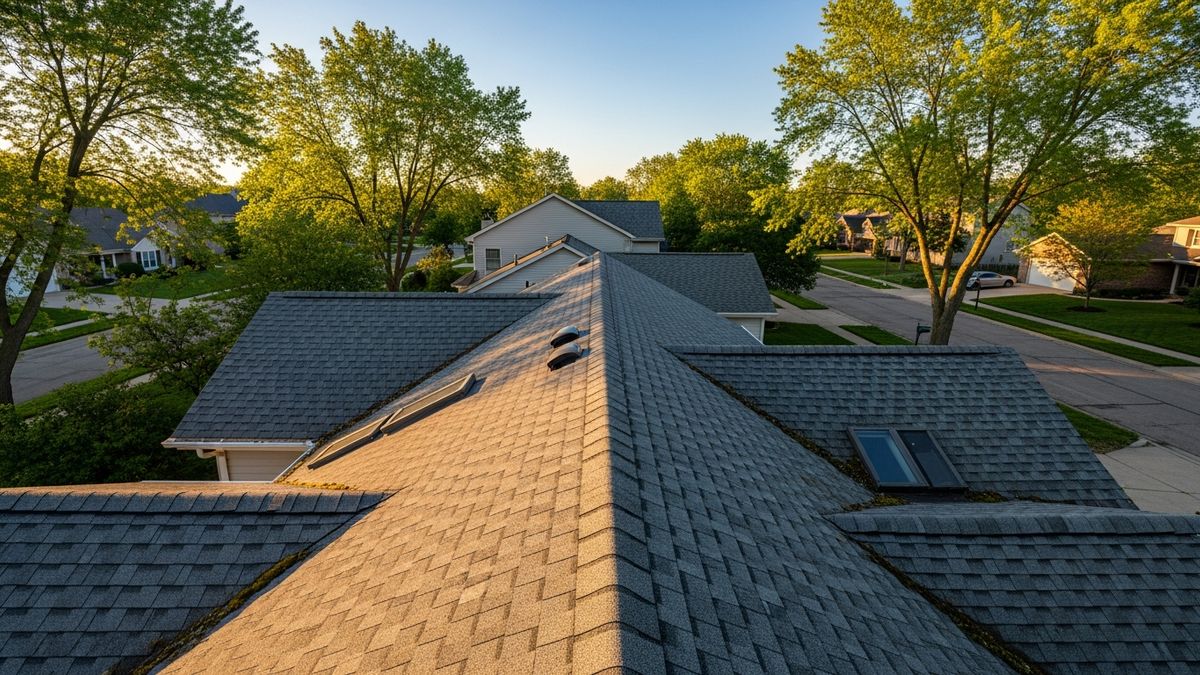
Asphalt shingle roof on a central Illinois home in late afternoon light, showing weathering and age

The rule: it's remaining life, not age

Age by itself tells you almost nothing. A 14-year-old roof in decent shape and a 14-year-old roof that took a hail beating in 2023 are two completely different situations. What matters is how many years it has left.

Here's the framework I use, and it's the one most reputable installers use too:

  • More than 15 years of life left — go ahead. Install solar now, no roof work needed.
  • Roughly 10 to 15 years left — get it inspected. Don't guess, and don't let a solar salesperson be the one who decides.
  • Under 10 years left — replace the roof first, then put panels on the new surface.

The logic is just arithmetic. Solar panels are built to run an estimated 25 to 35 years — that's the Department of Energy's current figure. Most Illinois homes wear asphalt shingles, which last somewhere in the 15-to-30-year range depending on the product and how much weather they've eaten. If the roof quits before the panels do, every one of those panels has to come down and go back up.

What that mistake actually costs

Taking a system off and putting it back runs an estimated $225 to $300 per panel. A typical home system of 15 to 20 panels lands somewhere around $2,800 to $6,000 — and that's just the panel handling. The roof itself is a separate bill on top.

The work usually eats about a week: one to two days to disconnect and pull the array, then two to three days to remount and rewire after the new shingles are down.

Those are industry estimates, not a quote — the real number depends on your system size, roof pitch, and who's doing the work. But it's real enough that I've watched it change people's minds at the table.

What Figure Basis
Install solar now Roof has 15+ years of life left My rule of thumb, shared by most reputable installers
Inspect first Roof has roughly 10–15 years left Same
Replace the roof first Roof has under 10 years left Same
Remove and reinstall a home system Est. $2,800–$6,000 (about $225–$300 per panel, 15–20 panels) Industry estimates, 2026; your quote will vary
Time the panels are down About a week (1–2 days off, 2–3 days back on) Industry estimates
Panel working life Est. 25–35 years U.S. Department of Energy
Illinois Shines REC contract 15 years, paid on actual production Illinois Power Agency
Summer Price to Compare, June 1–Sept 30, 2026 Ameren Illinois 11.326¢/kWh · ComEd 10.399¢/kWh (supply only) plugin.illinois.gov

The Illinois wrinkle nobody mentions

Here's what the national roofing guides leave out, and it's the part that actually matters here.

Illinois pays you for solar through Illinois Shines, and those payments are tied to production — the actual kilowatt-hours your panels generate — across a 15-year contract. That's the REC money that makes the numbers work in this state.

Think about what a roof replacement in year seven does to that. Your panels sit in a driveway for a week. They generate nothing. You're buying every kilowatt-hour from Ameren or ComEd at full summer rates — 11.326¢/kWh and 10.399¢/kWh respectively for supply through Sept 30, 2026, and closer to an estimated 19¢ and 17¢ all-in once delivery is stacked on. (Both supply prices reset October 1.) And the production you didn't make is production you don't get credited for.

A cost question in Kansas is a cost-and-income question in Illinois. That's a meaningful difference, and it's why I push sequencing harder here than a salesperson in a state with no REC program would.

If you're on a lease, the panels aren't yours

This one surprises people, so I'll say it plainly. Under a lease or a power purchase agreement, a third party owns the hardware on your roof. That's the whole point — it's why you paid nothing down.

Which means you can't just call a roofer and have them pull the panels. You contact the system's owner, get approval in writing, and use a crew they authorize, on a timeline that suits them. Most agreements allow the work. Some attach a removal-and-reinstall fee. None of it is a scam, but it's friction you don't want in the middle of a leak.

The fix is boring and it works: do the roof first, then start the lease. The problem evaporates. If you're already under contract, pull out your agreement and read the removal clause before anyone climbs a ladder. Our breakdown of how solar leases work in Illinois covers what else lives in that paperwork.

Hail country changes the calculus

If you're in Peoria, Pekin, Bloomington, Normal, or anywhere else in the central Illinois hail belt, you already know roofs age faster here than the brochure says.

That cuts both ways, and the good direction is genuinely good: if a storm claim is already paying for a new roof, that is the single best moment in your life to go solar. The shingles are coming off regardless. Insurance is handling the roof. You put panels on a brand-new surface, and you never pay a removal bill — not in year seven, not ever.

I've had customers stumble into that timing by accident. It's a much better plan on purpose.

Doing both at once is the cheap way

When the roof and the solar happen as one project, you skip the $2,800-to-$6,000 removal bill entirely, because it never comes due. You also collapse two sets of permits, two setups, and two crew mobilizations into one — industry estimates put that duplication at roughly $500 to $2,000.

That's the whole reason we handle roofing and solar together instead of pretending the roof is someone else's problem. It isn't. It's the surface the entire 25-year investment sits on.

What to actually do this week

Start with the roof, not the panels. Get someone who works on roofs for a living to tell you remaining life in years — not "it looks fine," not a pass/fail. That single number decides everything downstream.

Then run your numbers. If the roof is solid, our savings calculator will show you what a system does against your current Ameren or ComEd bill, and the real cost of solar in Illinois post lays out where the money actually goes. If you want a fast read on whether your roof is even a candidate, check my roof uses satellite imagery to give you a first look without anyone knocking on your door.

If the roof is tired, that's not a no. It's a sequence. Fix the surface, then put the panels on it once.

Sources

Either way, I'd rather tell you to wait six months and do it right than sell you a system today that costs you six thousand dollars in year seven. Call me at (618) 217-2001 or reach out here and I'll tell you straight which situation you're in.

Frequently Asked Questions

It depends on how much life your roof has left, not on how old it is. The rule I use: if your roof has more than 15 years of remaining life, go ahead and install solar now. If it has roughly 10 to 15 years left, get it inspected and decide with real information. If it has under 10 years left, replace it first. The reason is simple math. Solar panels last an estimated 25 to 35 years by the Department of Energy's count, and most Illinois homes have asphalt shingles that last 15 to 30 years. If the roof gives out first, someone has to take every panel down and put it back up — and that runs an estimated $2,800 to $6,000 on a typical home, roughly $225 to $300 per panel. That's money you spend twice for no extra power.
Industry pricing generally runs an estimated $225 to $300 per panel, which puts a typical 15 to 20 panel home system somewhere around $2,800 to $6,000 — and that's before you pay for the roof itself. The job usually takes about one to two days to disconnect and pull the panels, then another two to three days to remount and rewire them after the new roof is finished. Those are estimates and your quote will vary. Two things make it worse than the sticker price. Your system produces nothing while it's on the ground, so you're back to paying full utility rates during the gap. And in Illinois, your Illinois Shines payments are tied to what your panels actually produce, so downtime can cost you on that side too. Get the removal number in writing before anyone starts, because a verbal estimate has a way of growing once the panels are already off the roof.
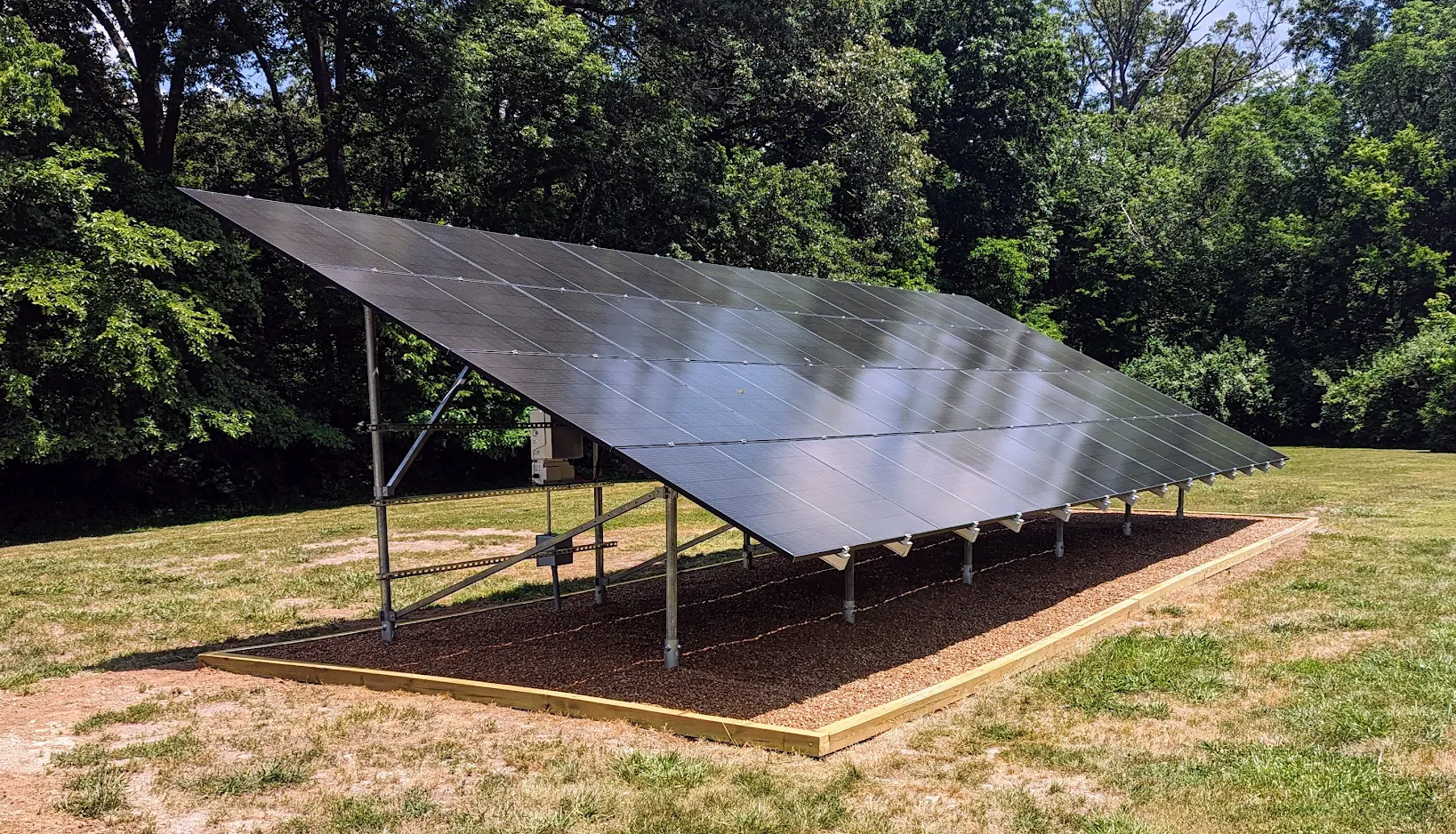
Physically, usually yes — a structurally sound roof will hold panels regardless of its age. Whether you should is a different question. A crew can mount panels on a 16-year-old asphalt shingle roof without much trouble, and plenty of companies will happily do it, because the roof is not their problem after the install. It becomes your problem in year six or seven when a leak shows up and the panels have to come off. Before you sign anything, get the roof looked at by someone whose job is roofs, not panels. Ask for remaining life in years, not a pass or fail. If the honest answer is under a decade, do the roof first and go solar on a clean surface. If you'd rather skip the roof question entirely, a ground-mounted system is worth pricing out.
This is the part people miss. With a lease or power purchase agreement, the panels on your roof are not yours — a third party owns them. You can't hire your own roofer to pull them off and toss them in the garage. You have to contact the system's owner, get written approval, and use a crew they authorize, on a schedule that works for them. Many contracts allow it, and some charge a removal and reinstall fee for the trip. It's not a trap, but it is friction, and it can stall a roof job for weeks while you wait on approvals. The clean way around all of it is sequencing: handle the roof before the lease starts, and the question never comes up. If you're already mid-lease, read your agreement's removal clause before you call a roofer.
Generally yes, and the savings come from two places. First, you avoid the remove-and-reinstall bill entirely — that's an estimated $2,800 to $6,000 you simply never pay, because the panels go onto a brand-new surface the first time. Second, doing both jobs in one project means one round of permits, one setup, and one crew mobilization instead of two, which industry estimates put at roughly $500 to $2,000 in avoided duplicate costs. There's a timing angle too. If hail or wind damage already has your insurance paying for a roof replacement, that's the single best moment to add solar, because the roof is coming off anyway and the panels land on new shingles. Ask whoever quotes your solar whether they can coordinate the roof work directly, since one point of contact beats refereeing two crews who each blame the other. I'd rather sequence a customer properly and wait a month than watch them pay for the same work twice.

More Illinois Solar Guides

Naperville Solar in 2026: The City Runs Its Own Utility, the $1,750 Rebate Is Spent, and Credits Pay 4.9¢ If You OversizeNaperville isn't ComEd. The city utility charges 11.968¢/kWh plus $21.52 a month, its $1,750 solar rebate ran out June 26, 2026, and extra credits pay 4.9¢.How Big a Battery Do You Need to Run a House in Illinois? A Sizing Guide With Real 2026 NumbersThe average Illinois home uses about 23 kWh a day. How to size a home battery for one night, a full day, or whole-home backup, and what each costs after rebate.Your Ameren Illinois Bill Explained (2026): Every Line, the Real Price Per kWh, and What Resets October 1Ameren Illinois supply is 11.326¢/kWh through Sept 30, 2026, plus 7.811¢/kWh summer delivery and $14.51 in fixed charges. Every bill line, with 2027 rates.Is Homefield Energy Cheaper Than Ameren? 245 of 260 Illinois Town Power Deals Cost More Than the Utility RateAs of Sept 15, 2026, 245 of 260 priced town aggregation deals in Ameren Illinois territory cost more than Ameren's 11.326¢ rate. Find your town, then opt out.ComEd's Delivery Charge Is 6.333¢/kWh Now — The Full 2026 Breakdown, and the Part Solar Can't TouchComEd's residential delivery charge moved to 6.333¢/kWh plus $19.37 in fixed monthly charges with April 2026 bills. Every line item, a worked example, and what solar offsets.Yes, There's a Solar Surcharge on Your Illinois Electric Bill — Here's Who Gets the MoneyA commentary running in Illinois papers says you fund solar farms through bill surcharges. It's true — and homeowners can get on the receiving side of the fund.Did Your Electric Rate Really Go Up Again? Every ComEd and Ameren Increase Since 2021, DatedEvery ComEd and Ameren Illinois rate increase since 2021, with dates, docket numbers and figures, plus the changes already scheduled for late 2026 and 2027.Illinois Bought 600 MW of Grid Batteries (It Wanted 1,038) — When Does Your Bill Feel It?Illinois' first CRGA battery buy closed Sept 1: 600 MW awarded of a 1,038 MW target, five projects, four in Ameren country. The honest timeline for your bill.Your Illinois Solar Output Falls About 45% by December — Here's the Month-by-Month CurveIllinois solar output falls roughly 45% from August to December. Here's the real month-by-month curve for Ameren and ComEd homes — and how to tell normal from broken.A Squirrel Under Your Solar Panels Can Chew Through a Wire in a Weekend — and Homeowners Insurance Usually Won't PaySquirrels and birds nest in the gap under Illinois solar panels. Standard homeowners policies exclude the damage. What a critter guard costs and who pays.Bad Roof for Solar in Illinois? A Ground Mount Works, Even on a $0-Down LeaseRoof won't work for solar? In Illinois a ground mount usually will, and $0-down leases cover it with a size minimum and a per-watt adder. 2026 costs inside.Told Your Roof or Electrical Panel Rules Out Solar? Illinois Solar for All Paid for 79 Roof Replacements Last YearThe state's new report: Illinois Solar for All paid for 79 full roof replacements and 73 electrical panel upgrades last year, up to $22,000 per home. The single-family window runs Sept 14–25, 2026.July Was the Hottest Month in U.S. History. Your August Ameren or ComEd Bill Is Where It Lands.NOAA confirmed July 2026 as the hottest month ever recorded in the U.S., and ComEd says it's on your August bill. Here's the math for an Illinois home and what changes Oct 1.Buying an Illinois House With Solar? Odds Are the Seller Doesn't Own the PanelsBuying an Illinois home with solar panels? Who owns the system decides what you inherit — a lien on title, a lease credit check, or grandfathered net metering.Behind on Your Ameren or ComEd Bill? The Shut-Off Season Actually Starts in SeptemberIllinois utilities can't disconnect you on 95-degree days, and winter protection starts December 1. The gap in between — September to November — is shut-off season.Your Illinois Solar Credits Can Expire in October — Check Which Date Your Installer PickedIllinois solar owners on pre-2025 net metering lose unused kWh credits every April or October. Here's how to find out which date is on your account before it hits.Illinois Shines Promised to Fix Its Solar Backlog by Mid-August. It Just Moved That to October.Illinois Shines said Part I reviews would be back to two weeks by mid-August. Its August 6 update moved that to mid-October. As of August 28, Part I is still a 10-week wait.Budget Billing Didn't Save You From the June 1 Rate Hike — Ameren Settles Up in May or NovemberAmeren and ComEd budget billing spread your payments — they don't lower the rate. Here's when the June 1 increase actually shows up on your Illinois bill.The 'Price to Compare' on Your Illinois Bill: What It Covers, What It Leaves Out, and Why It Isn't What You PayThe Price to Compare is the supply rate Ameren and ComEd publish so you can judge any offer. Here's what it covers, what it leaves out, and how to use it right.Denied for Solar in Illinois? Federal Law Says They Owe You a Real ReasonNo published credit score gets you solar in Illinois — but if you're denied, federal law entitles you to the specific reason, a free credit report, and a dispute right.Illinois Homes Lost $2.3 Billion to Electric Supplier Switching — Check One Line on Your BillState data shows Illinois families paid $2.3 billion extra to alternative electric suppliers since 2015 — Ameren customers hit hardest. Here's the bill line to check.Want Out of a Solar Contract in Illinois? The State Put Your Exit Rights in WritingIllinois gives you at least three calendar days to rescind a solar contract and get your deposit back. Here's every exit the state wrote down, step by step.Solar Installed but Still Dark? Illinois Gives Your Utility 15 Business DaysYour panels are up but the bill hasn't moved. Illinois Part 466 and Ameren's own guide set real deadlines — 15 business days for a Level 1 witness test.Solar Won't Zero Out Your Illinois Electric Bill — the State's Own Example Shows WhySolar offsets the supply half of your Illinois bill, not the delivery half. The state's own net metering example shows which kilowatt-hours you still pay for.Does Illinois Homeowners Insurance Cover Solar Panels? The $14,000 vs $4,000 Roof ClauseIllinois insurers are moving roofs to actual cash value. The state's own example pays $14,000 on one roof and $4,000 on another. Here's what that does to solar.Illinois Will Pay About $4,050 Toward a Home Battery — Here's What ComEd and Ameren Want in ReturnComEd and Ameren both pay $300 per kWh toward home battery storage in Illinois. The rebate is real — but each utility attaches conditions almost nobody mentions.Your Illinois HOA Can't Ban Solar — and It Has 30 Days to Answer YouIllinois law bars an HOA from prohibiting solar panels, caps design rules at a 10% production loss, and gives boards 30 days to process your application.ComEd Now Charges Four Different Prices a Day — Who Wins on Time-of-Day PricingComEd's Time-of-Day pricing splits the day into four price windows, cheapest overnight. Who actually saves, who pays more, and how solar fits in.Illinois Will Help Churches, Food Pantries, and Libraries Go Solar — Applications Open August 3Illinois Solar for All opens its Non-Profit and Public Facilities window August 3, 2026. Who qualifies, what it costs, and why the date matters.Your Illinois Electric Rate Drops October 1 — Why Your Bill Won't Drop as MuchIllinois summer supply rates expire September 30. Ameren's fell 31% last October — but supply is only half your bill. Here's what actually drops.Who Fixes Your Solar Panels in Illinois When Something Breaks?Who actually fixes solar panels in Illinois? Maintenance costs, what a lease covers, and what to do if your installer stopped answering the phone.Will Your Illinois Electric Bill Go Back Down? PJM Just Locked In Prices Through 2029PJM's July 2026 capacity auction cleared at $325/MW-day for 2028-29 — the third straight auction at the price cap. Why your Illinois bill isn't dropping soon.Illinois Logged 832 Solar Complaints in 2025 and Has Paid $473,000 Back to Burned Customers — What Actually Went Wrong, and Who Gets PaidIllinois logged 832 solar complaints in 2025, and its restitution fund has paid 170 customers nearly $473,000. Here's what goes wrong and who gets paid.Can You Rent Solar Panels in Illinois? What Actually Exists in 2026There's no such thing as renting solar panels in Illinois. But there is Community Solar — a state-vetted subscription that gets you bill credits without any equipment. Here's how it actually works.New Illinois Laws: A Family of Four Earning $99,000 Can Now Get Help With Their Electric BillPritzker signed HB 4456 and HB 5524 on July 9. One raises energy-assistance income limits to 300% of poverty. The other itemizes every charge on your bill.Do Solar Panels Increase Your Property Taxes in Illinois? (2026)Adding solar raises your home's value — so will your property taxes jump too? In Illinois, no. The state's special solar assessment keeps that value off your tax bill.New Illinois Solar for All Income Limits (2026): $97,200 for a Cook County Family of FourIllinois Solar for All raised its income limits on June 1, 2026. A family of four can earn $97,200 in Cook County and still qualify. Here are the county numbers.Will Illinois Have Rolling Blackouts? What ComEd's 'Critical Level' Alerts Mean (2026)ComEd told parts of Chicagoland the grid hit a 'critical level' during the July heat wave. Here's the honest answer on rolling blackout risk in Illinois — and what you can control.Freedom Forever Filed for Bankruptcy — What Illinois Solar Customers Should Do NowFreedom Forever filed Chapter 11 in April 2026. If your Illinois solar system is installed, unfinished, or under quote — here's exactly what to do next.ComEd & Ameren Want Another Rate Hike — CUB Found $1 Billion in Questionable SpendingComEd filed a $15.3B grid plan and Ameren wants millions more — CUB found over $1 billion in questionable spending. What the next IL rate hikes mean for you.What Solar Panels Really Cost in Illinois in 2026 (Honest Numbers, No Lead-Selling)What solar panels actually cost in Illinois in 2026 — real per-watt and per-system numbers, what changed this year, and why we don't sell your info to five callers.Illinois Electric Rates Keep Climbing — Does Solar Finally Make Sense in 2026?Ameren and ComEd rates are up ~90% in five years and still climbing. Here's how to see what you're on track to overpay — and whether solar finally makes sense.Illinois Net Metering Changed in 2025 — What It Costs You and How to Protect Your SavingsIllinois ended full retail net metering on Jan 1, 2025. Here's what the switch to net billing actually costs solar owners — and how to protect your savings.The 30% Solar Tax Credit Ended — Here's How Illinois Homeowners Still Get It in 2026The 30% federal tax credit ended for homeowner-owned systems on Dec 31, 2025. Here's how Illinois homeowners can still capture federal solar value in 2026.How Much Does a Solar Lease Cost Per Month in Illinois? (2026)What does a solar lease actually cost per month in Illinois? Real 2026 numbers, what's included, and how a predictable lease rate compares to a rising utility bill.Ameren vs ComEd 2026: Which Costs More Per kWh? (ComEd Runs ~1.5¢ Higher)ComEd averages ~17¢/kWh, Ameren Illinois ~15.5¢/kWh. See the full 2026 breakdown: supply charges, delivery fees, summer spikes, and how much it costs per month.Ameren Rate Increase 2026: Summer Price to Compare 11.326¢/kWh (ComEd 10.399¢) — Through Sept 30Updated September 2026: the Ameren rate increase put the summer Price to Compare at 11.326¢/kWh (ComEd 10.399¢) through September 30. See the average Illinois electric rate now, why bills jumped June 1, and what resets October 1.The Iran War Is Sending Oil Prices Through the Roof — Will Your Illinois Electric Bill Follow?Oil is at $112/barrel after the Strait of Hormuz blockade. Here's how the Iran conflict could push Illinois electricity rates even higher — and what you can do now.Why Your Ameren Bill Keeps Going Up (and What MISO Has to Do With It)Ameren bills jumped 18-22% in summer 2025 and rose again June 1, 2026. Here's why MISO capacity auctions are driving your rates up and what you can do about it.The Real Cost of Solar Panels in Illinois: 2026 BreakdownWhat do solar panels actually cost in Illinois in 2026? Real numbers for cash purchase, lease, and Solar for All — from an installer who gets prices below the state average.Selling a House With Leased Solar Panels in Illinois (2026 Guide)Selling a house with leased solar panels in Illinois? Here's how the lease transfer works, what buyers actually think, and why it's not the problem most people expect — owned systems too.Solar Lease vs Buying Panels: I Did the Math for IllinoisShould you lease or buy solar panels in Illinois? I broke down the real numbers for both paths using current 2026 prices, incentives, and Ameren/ComEd rates.Data Centers = 70% of Illinois's Rate Spike (Here's What It Costs You)Data centers drove 70% of Illinois's capacity-cost spike in 2026. See the PJM/MISO mechanism, the per-household cost impact, and what to do to protect your bill.ComEd Rate Increase 2026: 10.399¢/kWh Through Sept 30 — What Changes Oct 1Updated Sept 2026: ComEd's 2026 rate increase put the Price to Compare at 10.399¢/kWh through September 30. What changed June 1, what resets October 1, the ICC delivery increases that don't reset, and your all-in cost per kWh.Illinois Electricity Rates Have Nearly Doubled Since 2021 — Here's What That Means for Your BillIllinois electricity rates have surged 90%+ since 2021. Here's what's driving the increases, what to expect next, and how to protect your household.Illinois Solar Incentives 2026: 7 Programs Worth $12,000-$18,000+Illinois solar incentives 2026: Illinois Shines RECs, the new $20/REC customer-owned adder, $300/kW DG rebate, battery rebate, net metering, and property tax exemption — worth $12,000-$18,000+ on an owned system. Plus no-cost Solar for All for income-eligible households.Solar Battery Backup in Illinois — What It Actually Powers and Whether It's Worth ItWhat does a solar battery actually run during an outage? How much does it cost with the $300/kWh rebate? Here's the honest breakdown for Illinois homeowners.

41 panels, $10/month electric bills. Ryan stayed on top of the project from start to finish.

Bruce Brooks
Bruce BrooksShiloh, IL

$10/month Ameren bills since June 2023. Outstanding knowledge and responsiveness.

Rod Hinrichs
Rod HinrichsFreeburg, IL

Ryan is knowledgeable, caring, and a really good listener. I highly recommend discussing solar with him.

LH
Linda HaycraftShiloh, IL

Ready to See Your Numbers?

This article covers the big picture. For savings specific to your home, get a free consultation.

Lease, cash, or Solar for All — explore your options

Every month on rising utility rates is money you could be saving.