Can You Rent Solar Panels in Illinois? What Actually Exists in 2026
A guy called me in June asking how much it costs to "rent solar panels" for his house in Fairview Heights. I had to tell him the truth: that's not really a product here. But by the end of the call, he'd found something that fit him better than what he asked for.
That call happens more than once a summer. So here's the straight answer, and the two real things people usually mean when they ask it.
Why "renting solar panels" isn't really a thing
Search "rent solar panels" or "solar rental cost" and you'll land on warnings from the Citizens Utility Board about vague $0-down offers, plus a scattering of pages that don't quite answer the question. That's because nobody licensed in Illinois rents you the physical equipment for a flat monthly fee. There are two real products that get confused with it:
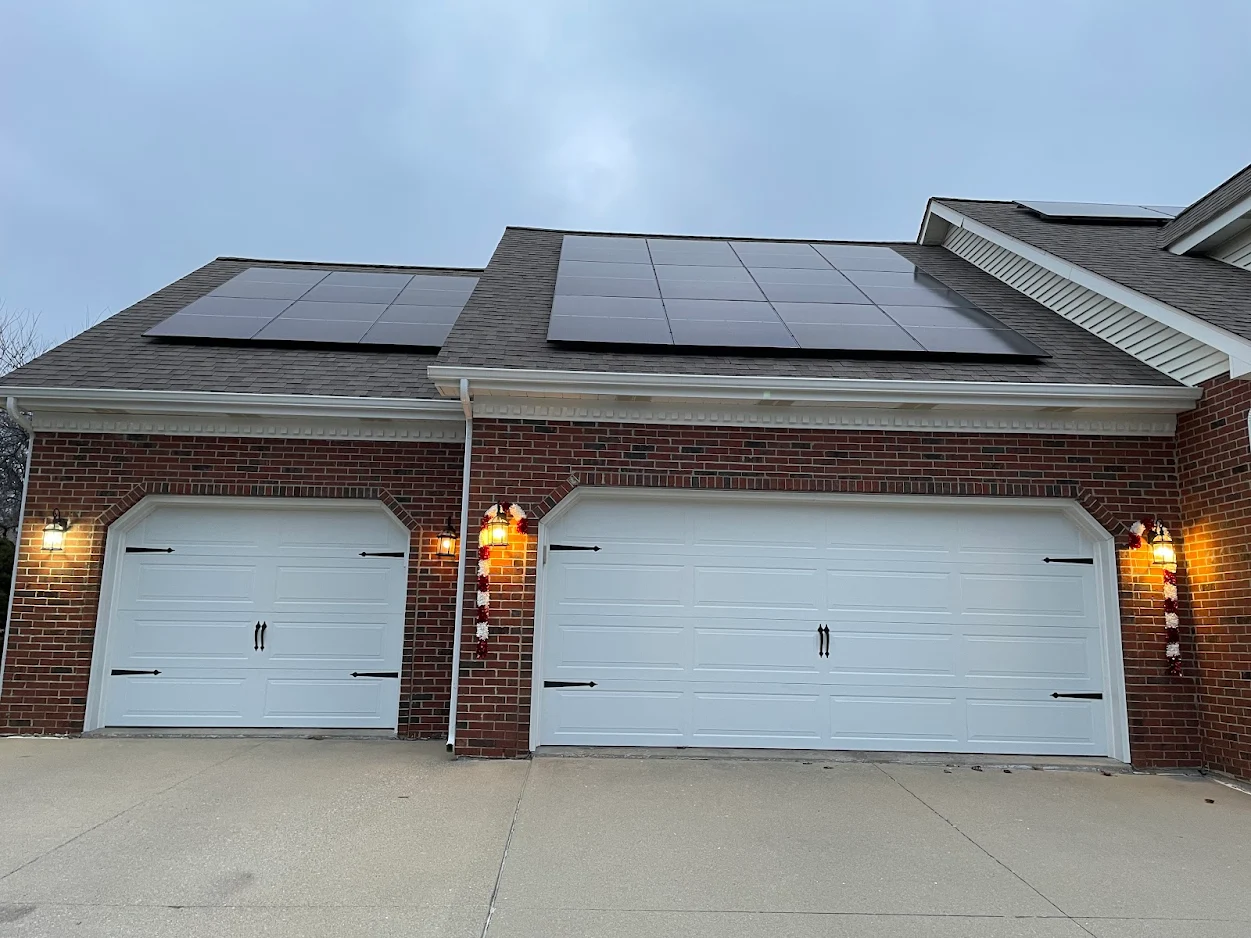
A solar lease puts panels on your roof. A company owns them, you don't, and you pay for the power those specific panels generate — usually a predictable rate as low as 10 cents per kWh. That's equipment on your property, financed a specific way.
Community solar puts no equipment on your property at all. You subscribe to a share of a solar installation built somewhere else in your utility's coverage area, and your utility bill gets credited for your portion of what it produces. No roof work, no install crew, no equipment to maintain.
If you own a house with decent sun exposure, the lease usually wins on savings. If you rent, live in an apartment, or your roof doesn't qualify, community solar is the one that's actually built for you.
How a community solar subscription actually works
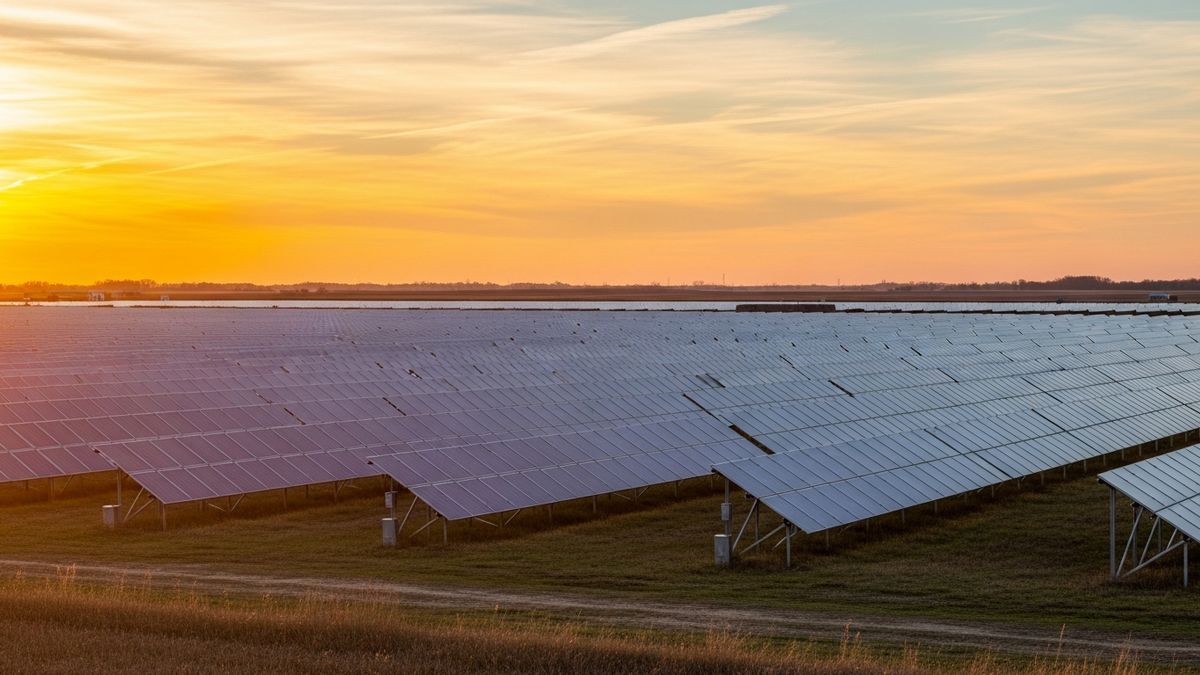
Picture a solar farm — a real one, dozens of panels on open ground, in your utility's territory. A company builds and maintains it. You sign up for a slice of its output, as little as roughly one panel's worth.
Here's the mechanism, straight from the Citizens Utility Board: your portion of that farm generates a certain number of kilowatt-hours each month. Your utility — Ameren Illinois or ComEd — reports that output and applies a credit to your regular electric bill. Separately, the community solar company bills you for that same electricity, typically at a lower rate than you'd pay the utility directly. You still get one bill from Ameren or ComEd. You also get a second bill from the community solar provider. Add them together, and the total should run below what you'd have paid without it.
CUB reports that community solar subscribers in Illinois generally save an estimated 10 to 20 percent versus standard rates. That's real money, and it's real oversight — the Illinois Commerce Commission and the Illinois Power Agency both have to sign off on these contracts before a company can offer them.
The two doors into it
Illinois runs two paths into community solar, and which one applies depends on your income.
Illinois Solar for All (ILSFA) is for households at or below 80% of their county's Area Median Income — the exact dollar figure varies by county and household size, so it's worth checking yours before you assume either way. On this track, there's no upfront cost, and the rules cap your monthly subscription fee at no more than 50% of the value of the bill credits you earn. ILSFA publishes its own worked example: a $133 monthly bill drops to $103 once a $60 credit and a $30 subscription fee net out. You can also move your subscription with you if you relocate within the same utility territory, and there's a 3-day window to cancel a community solar contract without penalty.
Illinois Shines is the market-rate path for everyone else. Same basic mechanism — subscribe to a project, get bill credits — just without the income cap or the 50%-of-credits fee ceiling. It's the option if ILSFA's income limits don't apply to you but you still want in.
What community solar won't do
It won't beat a well-sited rooftop lease. A subscription discount on someone else's solar farm is a smaller slice of the pie than owning (or leasing) the panels producing your own power. If you have a roof with good southern exposure and you own the home, I'd run the numbers on a $0-down lease or check your Illinois Solar for All eligibility before signing a community solar contract — the math usually favors the panels on your own roof.
It also isn't the place to skip the fine print. CUB's actual warning is aimed at unrelated $0-down "rent your roof" pitches with no state backing, not at community solar itself — but every legitimate community solar offer still comes with a contract term, an exit fee structure, and a rate calculation you should read before signing. Ask how long the term runs, whether the rate can rise, and what it costs to leave early. Both Illinois Shines and Illinois Solar for All publish standard disclosure forms specifically so you can compare offers apples-to-apples.
Which one fits you
Renting an apartment, or own a home with a roof that's shaded, oddly angled, or just not going to produce much? Community solar through Illinois Shines or Illinois Solar for All is built for exactly that situation, and it's worth pursuing.
Own a house with a roof that gets real sun most of the day? Get the lease or Illinois Solar for All residential numbers first. In my experience, homeowners who default to a community solar subscription because it sounded simpler usually left savings on the table they could've captured with panels on their own roof.
I'm not a builder or vendor for community solar gardens — that's a different kind of project than what I do day to day — but I get asked about it every summer, and I'd rather point you at the option that actually fits than let you guess. Call or text (618) 217-2001, or reach out through our contact page, and I'll tell you straight whether your situation calls for a lease, Illinois Solar for All, or a community solar subscription instead.
The bottom line
There's no flat-fee equipment rental for solar panels in Illinois. What exists is a solar lease (panels on your roof, no ownership) and community solar (no panels on your property, a subscription to an offsite farm's output instead). Community solar is real, state-overseen, and generally saves 10 to 20 percent — and it's the right answer if you can't put panels on your own roof. If you can, check the lease and Solar for All numbers before you subscribe to anyone else's solar farm.