ComEd's $3 Billion Data Center Hookup Bill: Who Pays the $2 Billion Gap?
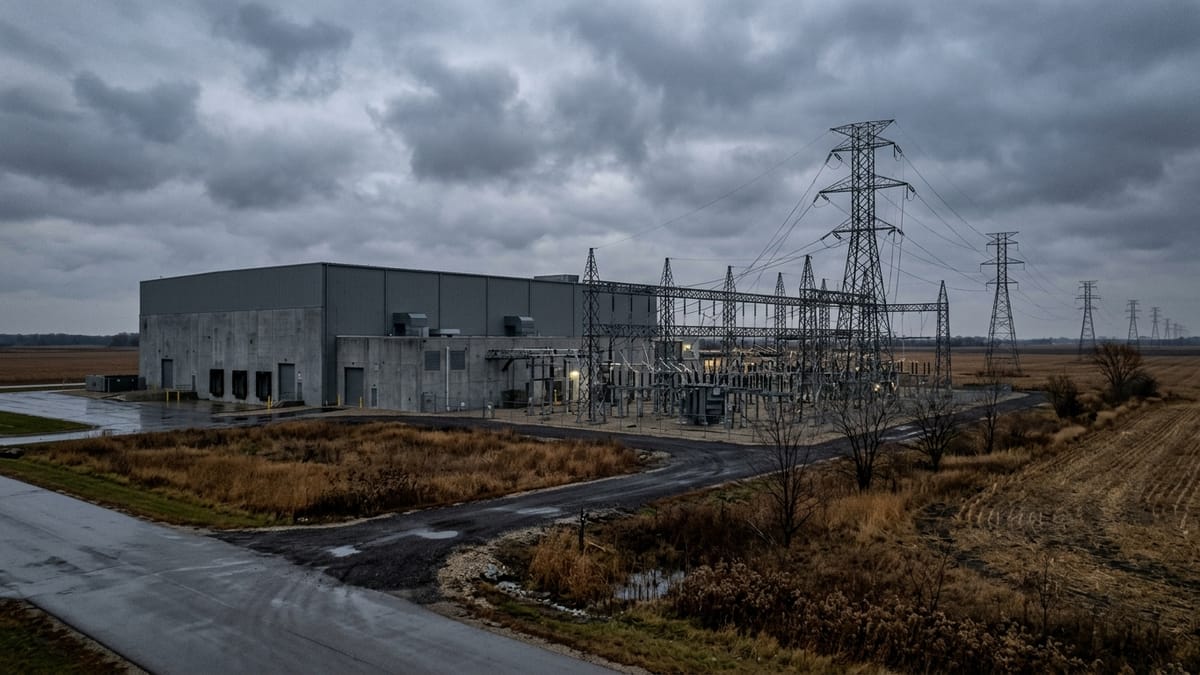
ComEd expects to spend more than $3 billion upgrading its grid to hook up 30 large-load projects like data centers, and what those projects have put up covers just under 25% of it. That's the finding of expert testimony filed in Illinois Commerce Commission Docket 26-0364 by the Citizens Utility Board and four other groups, which CUB made public on October 22, 2026. Their math leaves a potential gap of more than $2 billion, and the ICC now has to decide whether the rest of ComEd's customers end up covering it.
Nobody's bill changed this week. But this case decides who pays for substations and power lines being built right now, and grid costs stay on bills for decades. Here's what's in the filing, what ComEd's current rules actually cover, and when a decision should come.
The numbers in the filing
| What | Figure | Source |
|---|---|---|
| Large-load projects on the ComEd list reviewed | 30, interconnected or requesting service 2021–2031 | Testimony in ICC Docket 26-0364 (CUB release, Oct. 22, 2026) |
| Transmission and distribution upgrades they need | More than $3 billion (ComEd's estimate) | Same |
| Deposits data centers have paid | About $720.9 million | CUB release, Oct. 22, 2026 (citing ComEd's records) |
| Share covered by deposits and advance payment commitments | Just under 25% | Same |
| Potential shortfall | More than $2 billion | Same |
| Newer large-load projects not on that list | 60 more | Same |
| ComEd's large-load pipeline in March | 75 applications whose combined maximum demand tops ComEd's all-time peak | ICC press release, Mar. 20, 2026 |
| ComEd's large-load rules | In effect since Mar. 31, 2026 (ICC Dockets 25-0677/25-0679) | ComEd tariff, General Terms and Conditions |
| ComEd price to compare | 6.612¢/kWh (Oct. 2024) → 10.103¢/kWh (Oct. 2026), about +53% | ICC historical price table |
The testimony's author, energy consultant James Fine, put it bluntly: "This leaves a very large gap." He added that the $3 billion "is an estimate—the actual number could be much larger as a result of cost overruns or facilities that ComEd did not include in its total."
One fairness note. These are the advocates' reading of ComEd's records. ComEd gets to respond in the same case, and I haven't seen its answer yet.
Doesn't ComEd already make data centers pay deposits?
It does, and it's worth knowing what those deposits actually cover.
The ICC approved ComEd's large-load rules in March, and the tariff sheets took effect March 31, 2026. They apply to any project expected to reach 50 megawatts or more within ten years. Here's what ComEd's own tariff requires:
- An engineering deposit of $1 million, plus $500,000 for each additional whole 100 MW above 200 MW. Anything over $2 million has to be backed by a letter of credit.
- A materials deposit covering long-lead equipment ComEd orders for the project.
- A Transmission Security Agreement guaranteeing the customer's transmission payments won't fall below its promised load ramp for ten years. If they do, the difference is collected from that customer and credited back to transmission customers in the ComEd zone.
The catch: both deposits come back. ComEd refunds the engineering deposit when service starts or when the customer posts its line-extension deposit under ComEd's Rider DE, whichever comes first, and the materials deposit once permanent service begins and any Rider DE deposit is posted. Either way, ComEd keeps only the costs actually charged against them. They protect ComEd and its customers if a project is canceled midway. They aren't built to pay for a substation. The advocates' "just under 25%" already counts every deposit and advance payment commitment together. That's how a $1 million deposit and a $3 billion buildout can sit side by side.
My take: the ten-year transmission guarantee is the strongest protection in there, and it's a real one. But substations and high-voltage lines last a lot longer than ten years.
The ICC saw the gap too. Its March 20 release said the new investigation would cover "costs and benefits of infrastructure attributable to large load projects and facilities, including proper cost allocation." Chairman Doug Scott called it "a first step toward investigating how Illinois' largest electric utility can serve large load customers while preventing undue cost shifts."
How data center costs could reach your bill
There are two roads, and they're easy to mix up.
The wires. Utilities don't bill a grid upgrade all at once. They recover it over many years through delivery and transmission rates. If a data center doesn't fully pay for its own hookup, what's left can end up in the rates everyone pays. That's the risk this case is about, and CUB says ComEd's customers are already paying for at least part of the $3 billion.
The power itself. This one is already on your bill. ComEd's price to compare went from 6.612¢ in October 2024 to 10.103¢ in October 2026, about 53% higher, per the Commerce Commission's price table. CUB ties that jump to projected data center demand. My data centers and your electric bill breakdown walks through the capacity-auction side.
For a sense of scale, CUB puts ComEd's customer count at more than 4 million. Split $2 billion evenly and it's roughly $500 per account. That isn't what any household would actually pay. Costs get divided among residential, business and industrial customers and spread over decades. But it shows why this docket is worth watching.
What the advocates want
The filing came from CUB, the Environmental Law & Policy Center, the Natural Resources Defense Council, Vote Solar and the Union of Concerned Scientists. Their main asks:
- Data centers pay 100% of their grid-connection costs up front.
- A large-load tariff that's "fully protective of existing customers," with minimum monthly fees and exit fees.
- Interruptible service: a data center that doesn't bring its own new clean energy could have its power reduced when demand peaks.
I agree with the first one. If a project needs a $100 million substation, the people asking for it should pay for it. Ask any homeowner who's paid for their own driveway.
When it gets decided
The ICC said it would open the investigation by April 23, 2026 and finish within eight months of opening it. If that holds, expect a decision around the end of 2026. That's my estimate, not a date the ICC has published. ComEd also owes the ICC its first annual large-load compliance report on February 1, 2027.
The statehouse is the other track. The POWER Act, House Bill 5513 and Senate Bill 4016, would require utility tariffs to make sure the investments needed to serve hyperscale data centers, including lines above 100 kilovolts, "are allocated to those customers and are not socialized to other rate classes." It hasn't passed. My POWER Act and FERC post covers the bill and the fall veto session.
What you can control while regulators argue
You can't vote in Docket 26-0364. What you can decide is how much of your power you buy from ComEd at all.
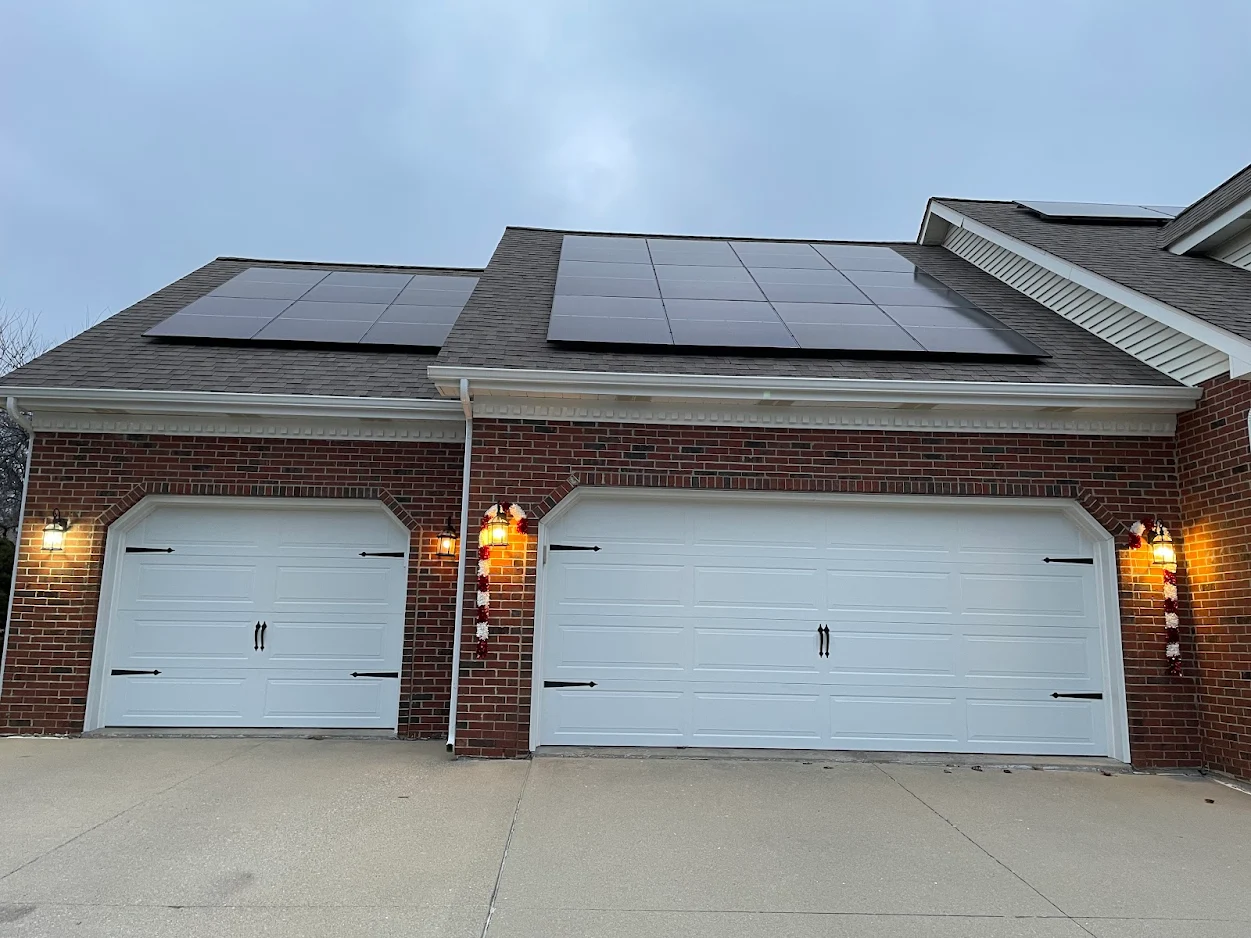
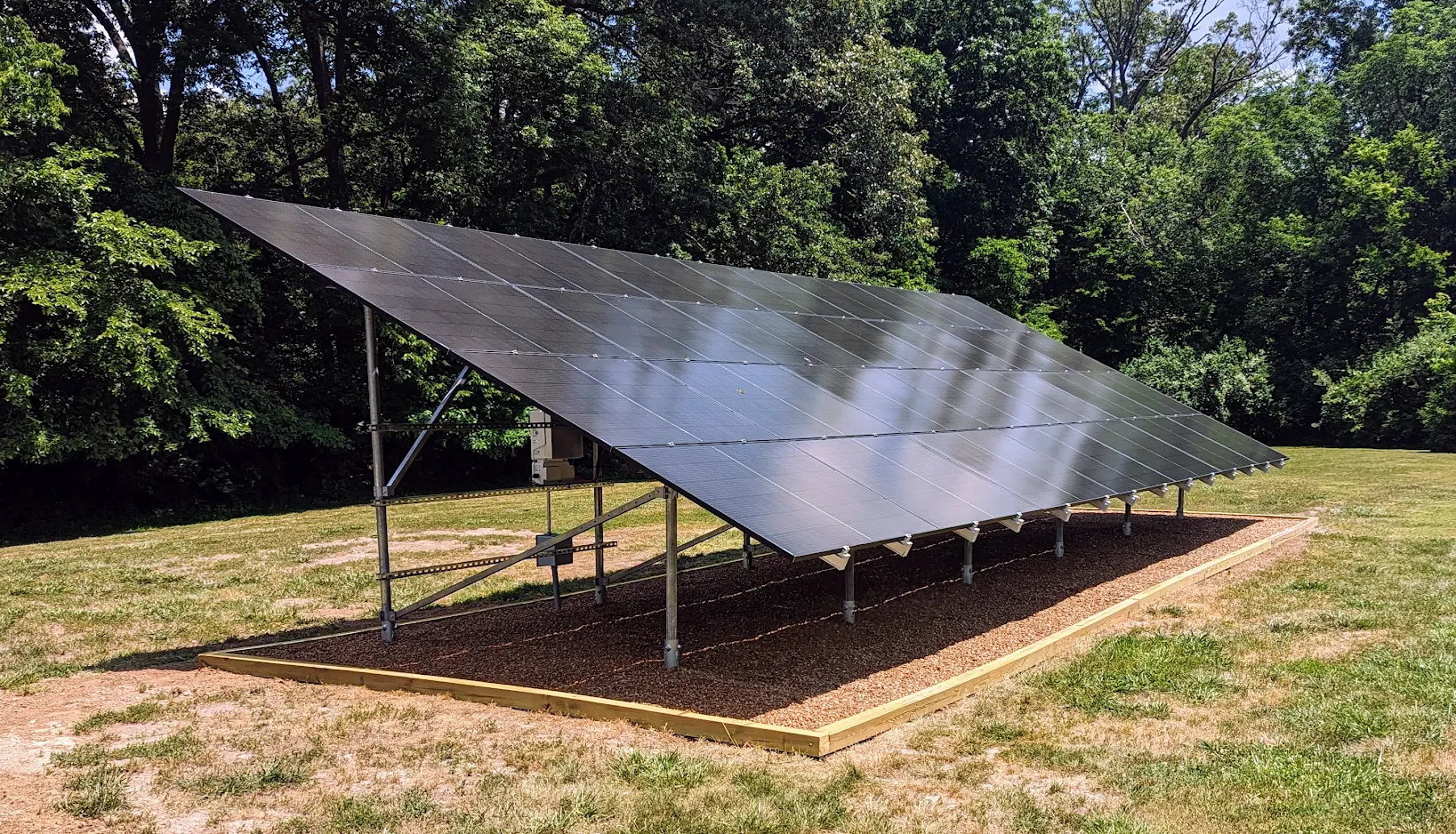
Solar won't stop a data center from plugging in, and it won't erase your delivery charges. What it can do is replace a big share of the supply side of your bill, the part that's already up about 53% in two years. A $0-down solar lease swaps much of that for a predictable rate as low as $0.10/kWh, with your full 25-year rate schedule written into the contract before you sign. If you'd rather own, I'll price a cash system next to it, and income-qualified households can look at Illinois Solar for All. Whether any of it beats your bill depends on your roof and your usage, and every figure here is an estimate until it shows up on a real bill.
Current numbers live on my ComEd rates page, and why your ComEd bill is so high breaks down every line. For November's bill specifically, see the 3.758¢ November charge. Run your numbers on the savings calculator, or call me at (618) 217-2001 or use the contact page. I'll update this post when the ICC rules.
Sources
- Illinois Commerce Commission, press release "ICC looks to develop consumer protection framework amid increase in large energy demand" (March 20, 2026; ComEd large-load tariff approval, 75 applications exceeding ComEd's all-time system peak, investigation by April 23, 2026, completion within eight months, February 1, 2027 compliance report): https://icc.illinois.gov/downloads/public/press-release/03.20.26%20Data%20center%20tariff%20investigation.pdf
- ComEd, General Terms and Conditions, Large Demand Project Applicant or Customer definition, deposits and Transmission Revenue Security (sheets filed March 30, 2026, effective March 31, 2026, per ICC Docket Nos. 25-0677/25-0679), in ComEd's 2026 Ratebook: https://www.comed.com/cdn/assets/v3/assets/blt3ebb3fed6084be2a/blt86ebee5fe6ed02f8/6ad911e1630c34d7f475f5cd/2026_Ratebook.pdf
- ComEd, 2026 Index of Filings (compliance filing, ICC Dkt. Nos. 25-0677 and 25-0679, Large Load Tariff, filed March 30, 2026, effective March 31, 2026): https://www.comed.com/cdn/assets/v3/assets/blt3ebb3fed6084be2a/blt51c693930a51fa85/6ad91229c5089936800f8623/2026_Index_of_Filings.pdf
- Citizens Utility Board, release on testimony filed in ICC Docket 26-0364 by CUB, ELPC, NRDC, Vote Solar and UCS (October 22, 2026; 30 projects, more than $3 billion, about $720.9 million in deposits, just under 25% coverage, more than $2 billion shortfall, 60 additional projects, recommendations): https://www.citizensutilityboard.org/wp-content/uploads/2026/10/20261022_ReleaseOnDataCenterCosts_final.pdf
- Illinois Commerce Commission, Historical Prices-to-Compare, updated through October 2026 (ComEd 6.612¢ October 2024; 10.103¢ October 2026): https://icc.illinois.gov/downloads/public/pluginillinois/HistoricalPriceToCompare.pdf
- Illinois General Assembly, House Bill 5513, 104th General Assembly, introduced text (data center cost allocation, "not socialized to other rate classes"): https://www.ilga.gov/documents/legislation/104/HB/PDF/10400HB5513lv.pdf
- Illinois Senate, 2026 veto session calendar, 104th General Assembly (session days November 17–19 and December 1–3, 2026): https://ilga.gov/Uploads/Schedules/Senate/2026%20104th%20GA%20Veto%20Calendar.pdf